
October 12th, Ummat Somjee
Animal Weapons: The evolution of horns, tusks, antlers and other signals

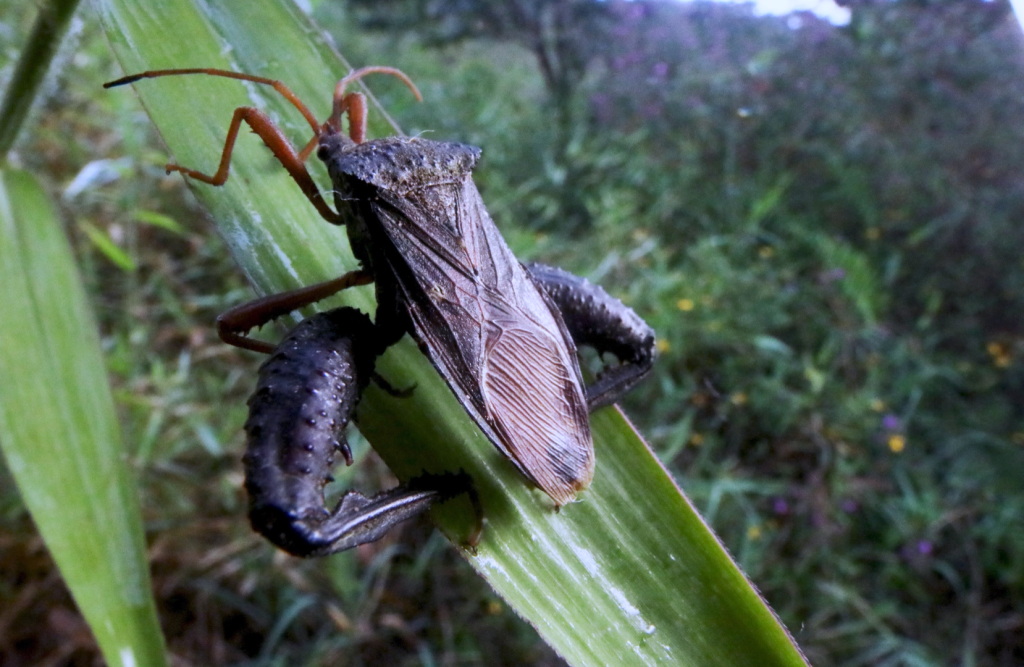
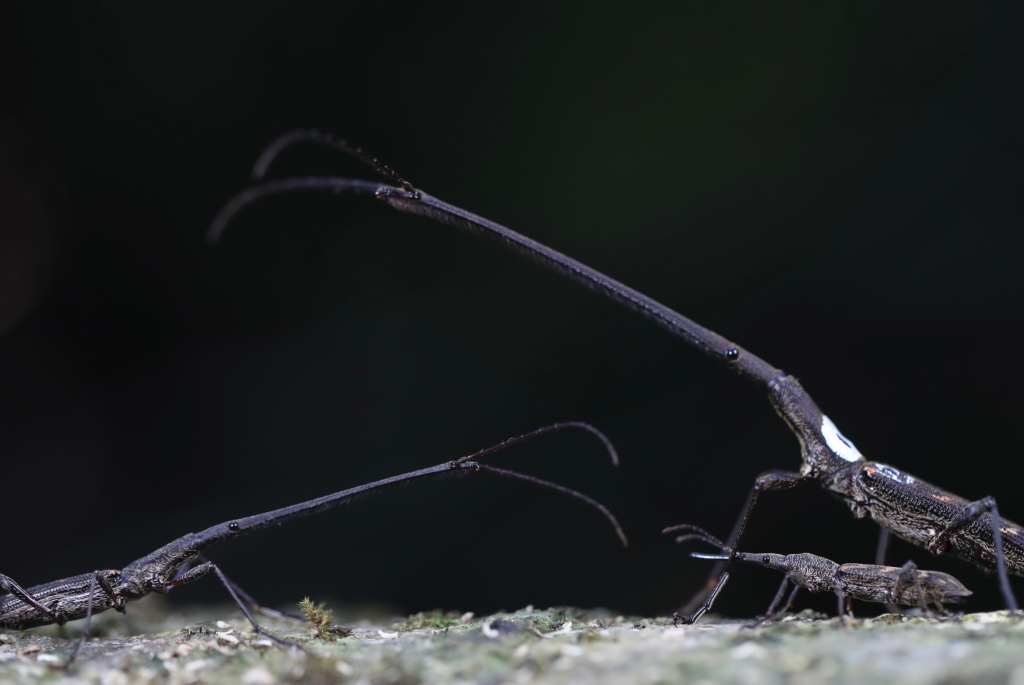
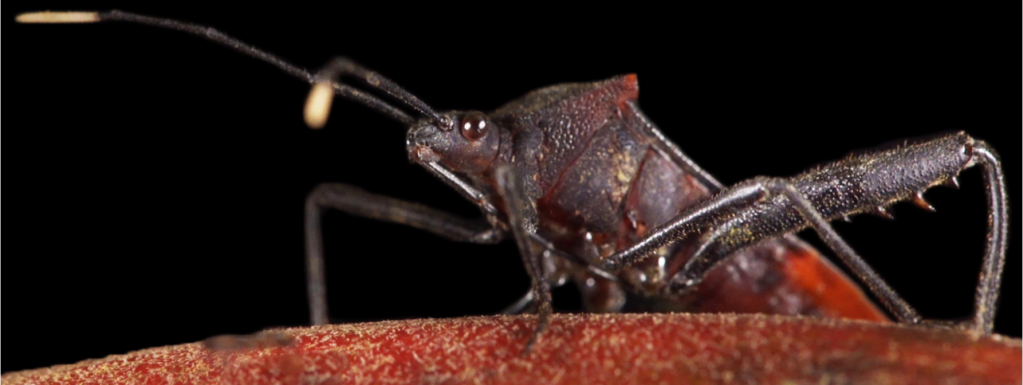
We invite you to join us for our October SUTS event, where we’ll feature Dr. Ummat Somjee, a Stengl-Wyer Scholar from the Department of Integrative Biology at UT Austin. Dr. Somjee will illuminate the fascinating realm of animal weaponry found in nature, discussing their diverse manifestations, evolutionary origins, and the captivating reasons behind their existence.
Our evening kicks off at 7 pm with engaging activities at our natural history and kids’ activities tables. At 7:15 pm, there will be a guided tour of the Brackenridge Field Laboratory, offering you a unique glimpse into the ongoing field research. The main event begins promptly at 8 pm with Dr. Somjee’s talk, followed by an interactive Q&A session. We are keeping our fingers crossed for clear skies this time around! Hope to see you there!
————————————————
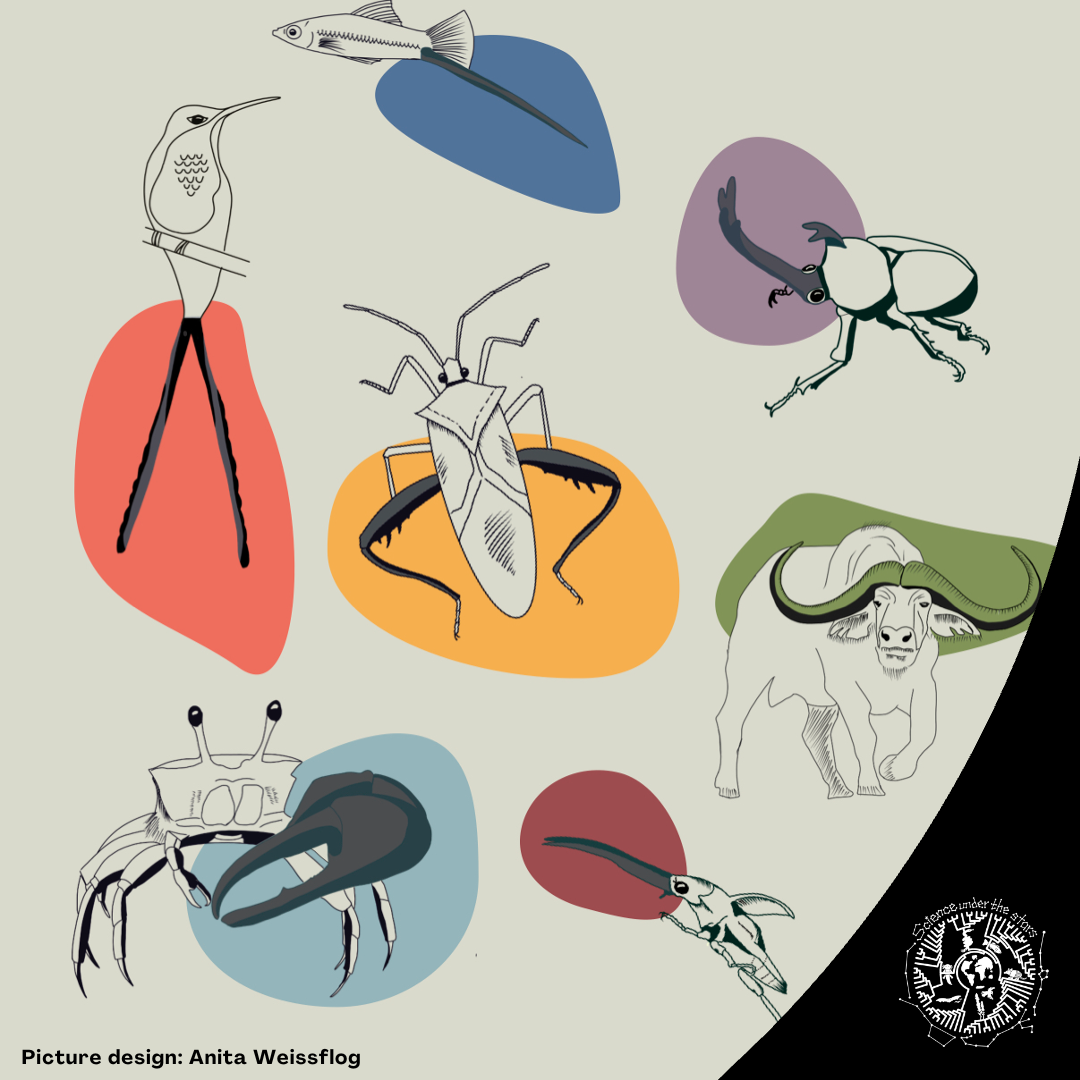
Elephant tusks, giraffe weevil heads, elk antlers and rhinoceros horns are all examples of animal weapons. Animals use these structures to fight, leading to some of the most extreme and elaborate structures in nature. These animal weapons can be large and conspicuous; they draw our attention and capture our curiosity. However, weapons are not always what they seem, animals have developed complex rituals around fighting and competition, many of which still remain a puzzle in the field of animal behavior. The more we study these structures, the more we find that there is so much more going on than we can actually see. What are the unexpected parallels between human boxing matches and the ritualized fights in tusked weevils? Why are some weapons sometimes so large they seem no longer functional in fights? Why are some weapons also dazzling and beautiful? Why do some weapons appear invisible? These are just some of the questions that arise during our tour of weapons in the natural world.
————————————————



 Science Under The Stars
Trackbacks / Pingbacks