
January 18th, Elena Leander
Grasslands: Champions of Change
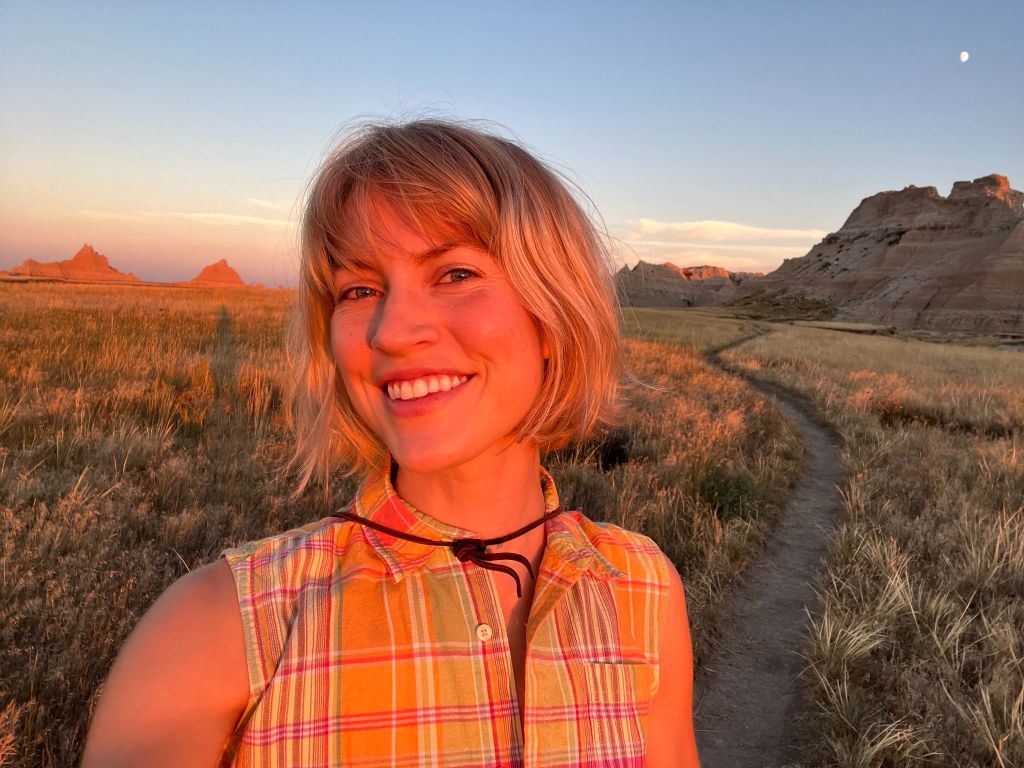

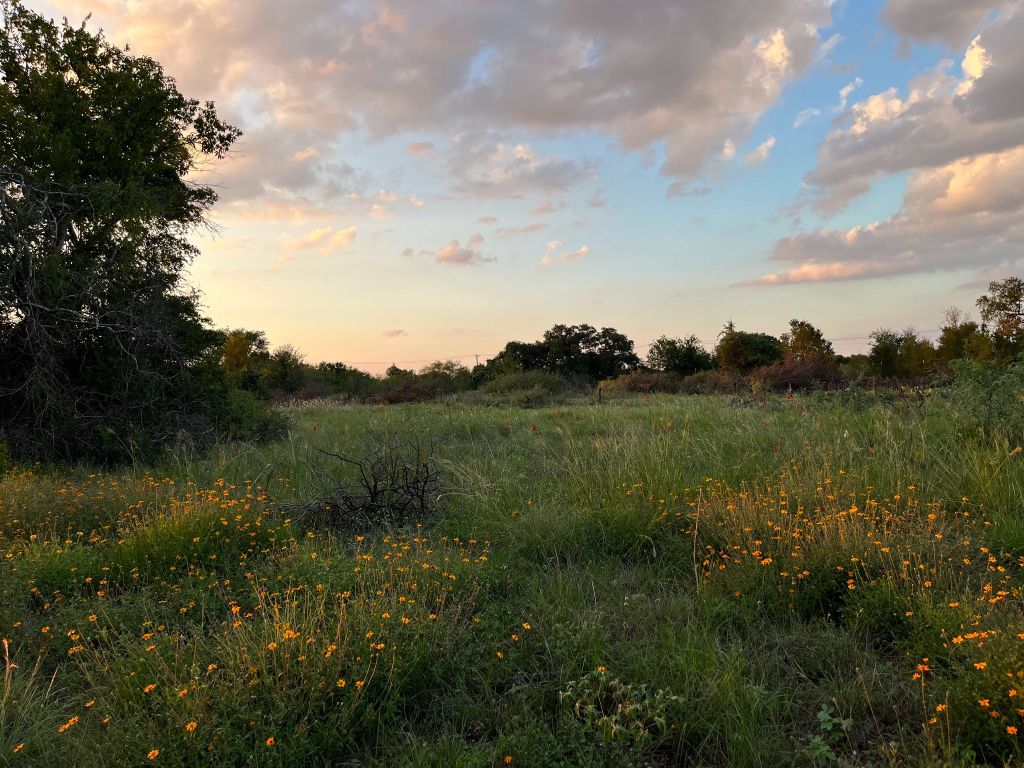

What is it that comes to mind when you think of grasslands? Is it your front lawn? A golf course? Something else? Ecologically, native grasslands are much more complex than you might imagine – they are diverse and teeming with life! Spreading across the Earth millions of years ago, grassland species’ unique adaptations and relationships have allowed them to thrive in the face of environmental pressures. Yet, does their resilience have limits? How might we better understand, protect, and harness the power of grasslands? As we settle into a new year and invite change into our own lives, we welcome you to join Elena Leander on Jan 18, Thursday and learn lessons from the grassland biome, a global champion of change.
Our evening kicks off at 7 pm with engaging activities at our natural history and kids’ activities tables. At 7:15 pm, there will be a guided tour of the Brackenridge Field Laboratory, offering you a unique glimpse into the ongoing field research. The main event begins promptly at 8 pm with Elena’s talk, followed by an interactive Q&A session.
———————————————
Spring 2024 Schedule
Happy New Year! We are thrilled to announce Science Under The Stars’ spring 2024 schedule. Please mark your calendars for our monthly events presenting topics on science and nature by UT scientists:
- January 18: Elena Leander – Grasslands: Champions of change
- February 8: Devin Grobert – Fire, water, and biodiversity: How Austin water uses fire to restore ecosystems and how you can help
- March 21: Kristina Black – Amazing adaptations under the sea: Nature’s genetic toolbox for coral reef restoration
- April 11: Sarah Ortiz – From the ground up: Exploring biodiversity in your backyard
Here’s the schedule for each of the events (RSVP is not required):
- 7:00 pm: Kid’s activities and natural history displays related to the talk
- 7:15 pm – 7:45 pm: Guided tour of the Brackenridge Field Lab (wear sturdy shoes and bring water)!
- 8:00 pm: Settle in, because the talk begins now!
- 8:45 pm: Q&A with the speaker
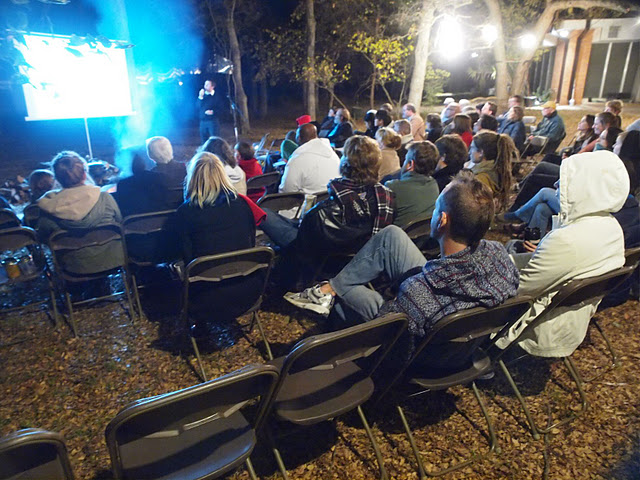
Science Under the Stars is a free public outreach lecture series in Austin, Texas. Events are held outdoors at Brackenridge Field Laboratory, 2907 Lake Austin Blvd, Austin, Texas 78703. We will post the precise schedules and links for each event in a separate, event-specific post. Subscribe to this blog, our Instagram, Twitter, YouTube channel, Facebook page, or send us emails to get event notifications.

December 14th, Dominique Gallery
Beneath The Waves: Exploring coral reefs’ vital ecological role and community-led conservation

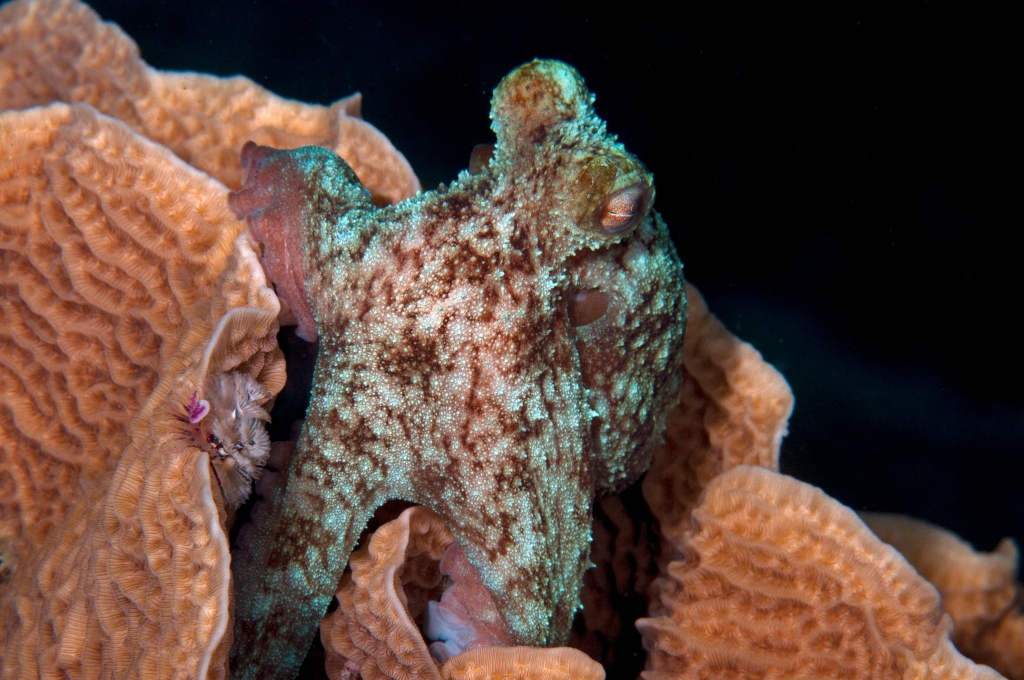
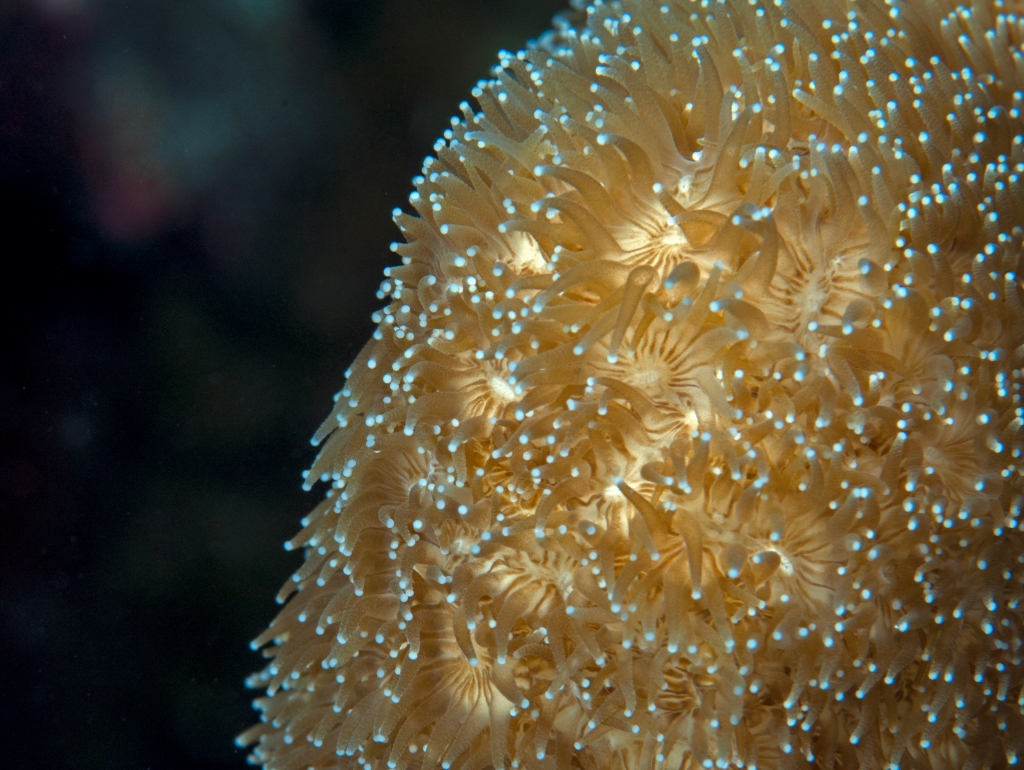
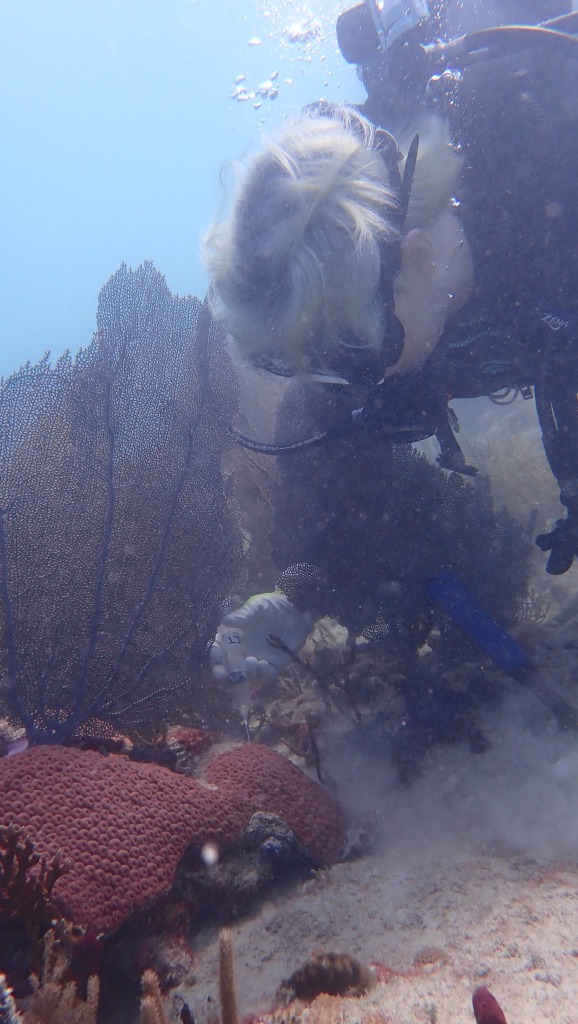
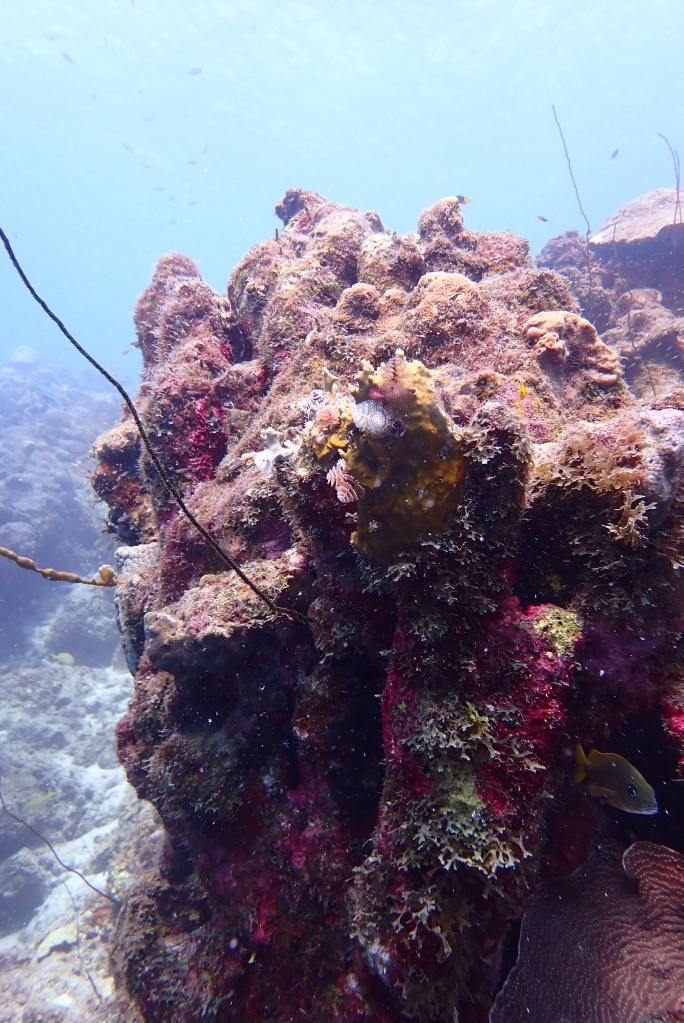
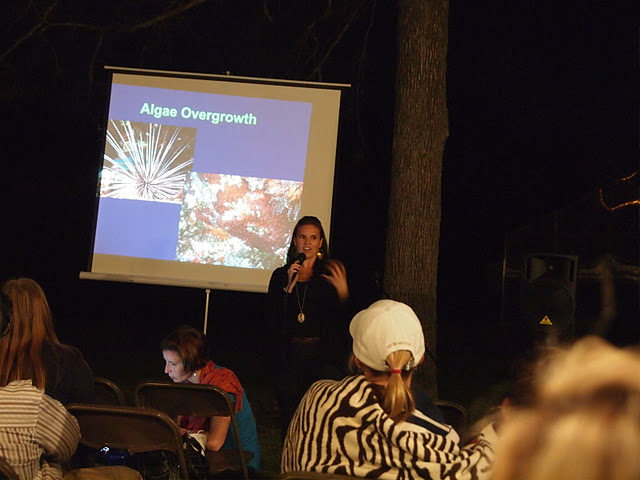
We would like to invite you to join our December SUTS event, featuring Dominique Gallery, a PhD student from the Department of Integrative Biology at UT Austin. Dom’s presentation will provide a captivating overview of coral animals, emphasizing their crucial role in ecosystems and their impact on human life. Delving deeper, the talk will explore local conservation efforts right here in Austin, inviting you to actively participate in supporting coral reef health.
Our evening kicks off at 7 pm with engaging activities at our natural history and kids’ activities tables. At 7:15 pm, there will be a guided tour of the Brackenridge Field Laboratory, offering you a unique glimpse into the ongoing field research. The main event begins at 8 pm with Dom’s talk, followed by an interactive Q&A session. We hope to see you there!
Photo credits to Daisy Flores, Karim Primov, and Sam Simpson.
———————————————
November 9th, Nikunj Goel
Fighting climate change with mathematics

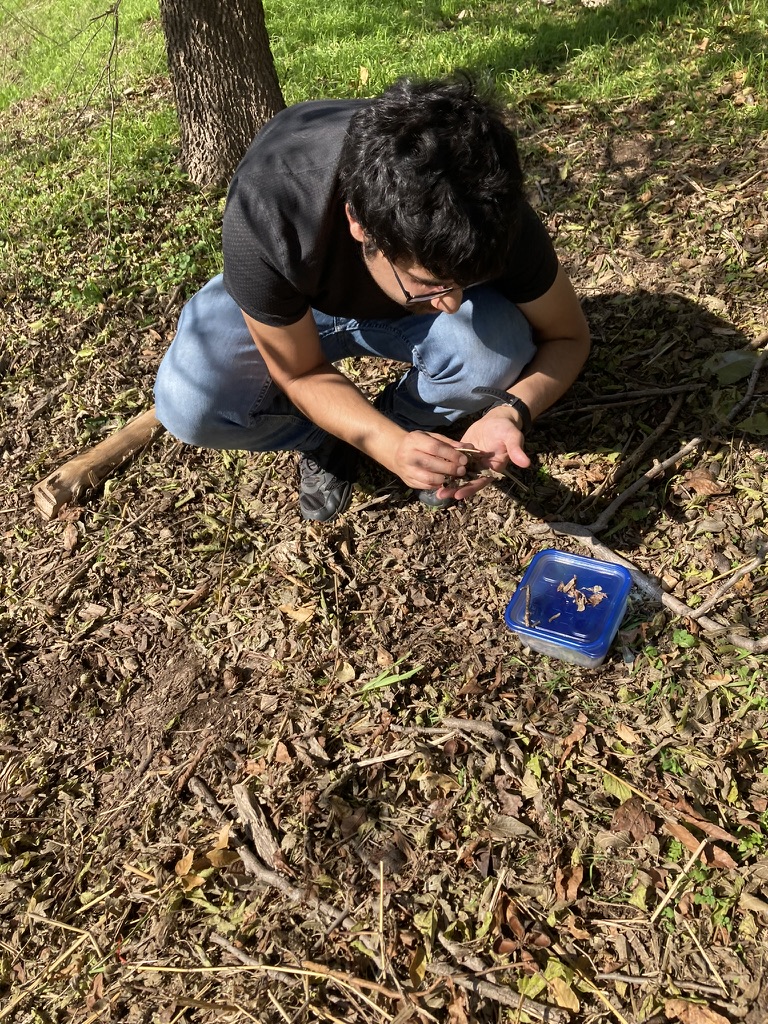
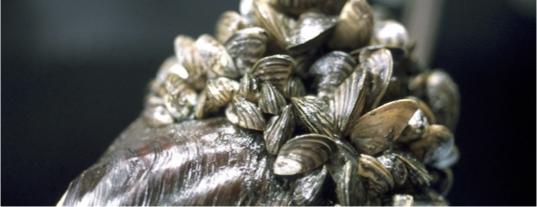
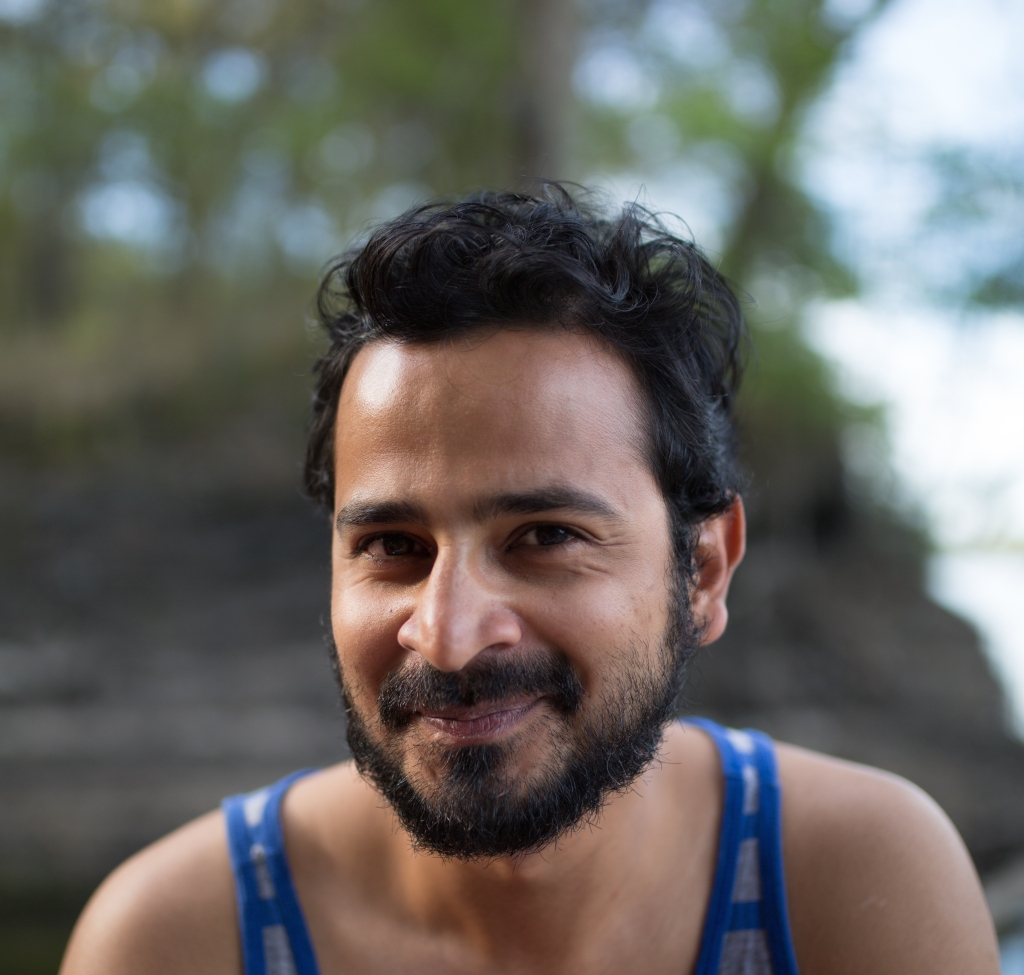
Hope you all had a wonderful Halloween! Join us for our November SUTS event, featuring Dr. Nikunj Goel, a postdoctoral researcher at the Department of Statistics and Data Sciences at UT Austin. Dr. Goel completed his PhD at the Department of Integrative Biology, studying how dispersal shapes ecological and evolutionary processes using mathematical models.
Our evening kicks off at 7 pm with engaging activities at our natural history and kids’ activities tables. At 7:15 pm, there will be a guided tour of the Brackenridge Field Laboratory, offering you a unique glimpse into the ongoing field research. The main event begins promptly at 8 pm with Dr. Goel’s talk, followed by an interactive Q&A session.
———————————————
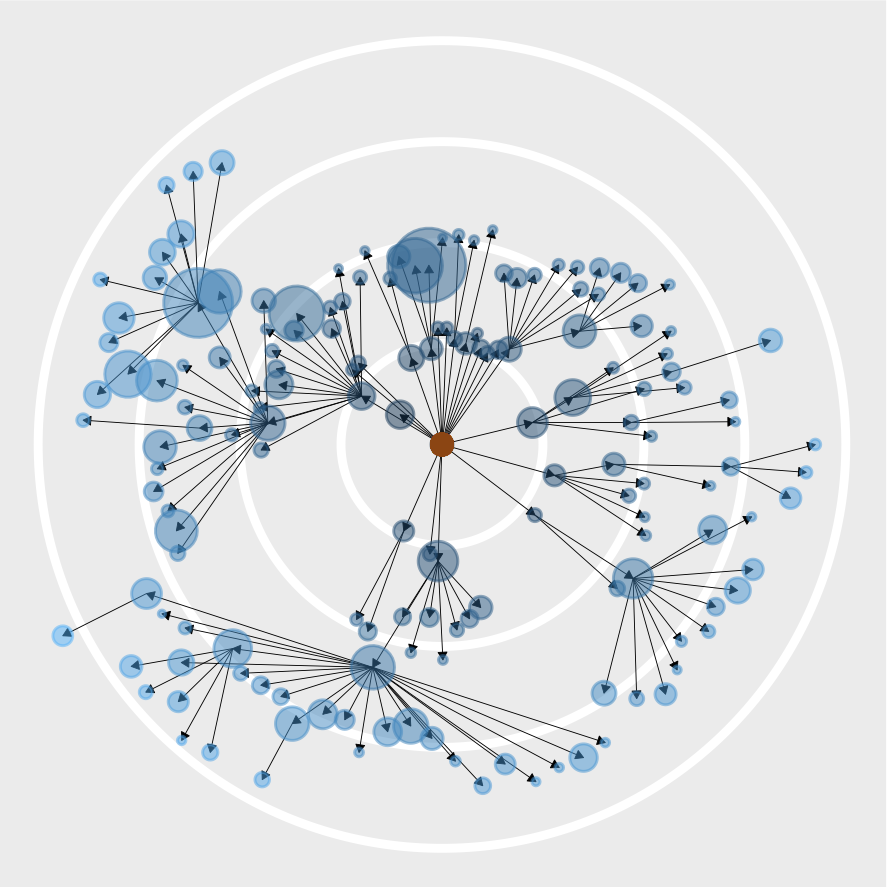
When you see a tree while walking on a trail, do you ever wonder why it is here? Where did it come from? Or will it remain here for another hundred years? Essentially, we are asking what mechanism shapes species distribution on our planet. Although this quest has captivated the curiosity of many naturalists, such as Darwin and Humboldt, for more than three centuries, we still have significant gaps in our understanding of why species occur where they do.
Outside curiosity, understanding the determinants of biodiversity is also closely tied to human well-being. Many species are rapidly changing distribution due to human activities, such as increasing carbon emissions and land use change that are eroding ecosystem services. In this talk, Dr. Nikunj Goel will explain how mathematics can be used to elucidate mechanisms of biodiversity change, and how can we use this knowledge to fight against global change.
———————————————
October 12th, Ummat Somjee
Animal Weapons: The evolution of horns, tusks, antlers and other signals
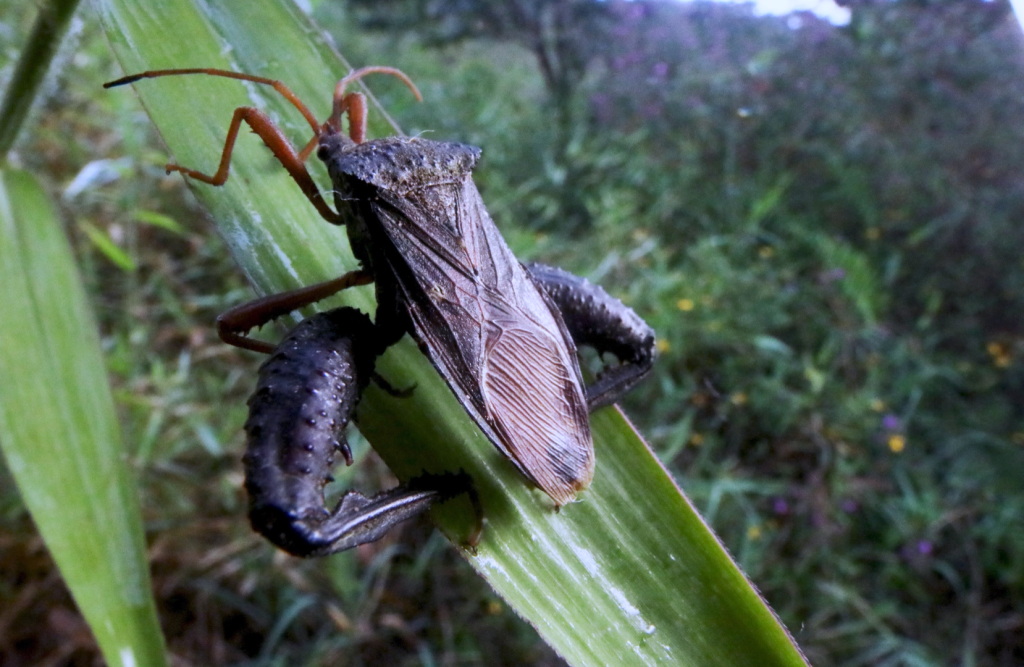
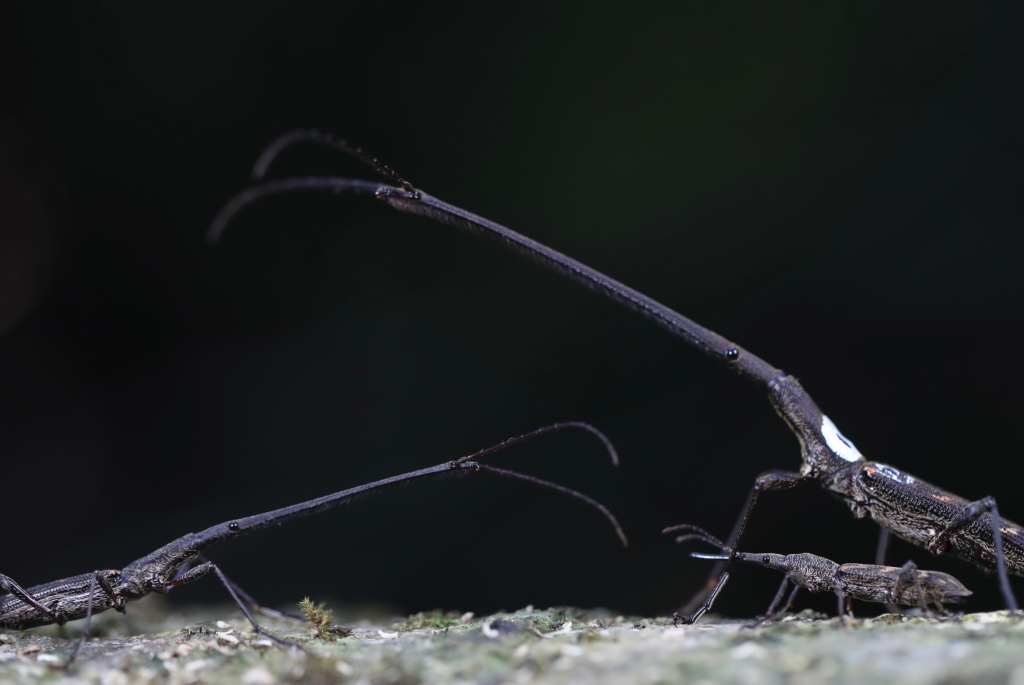
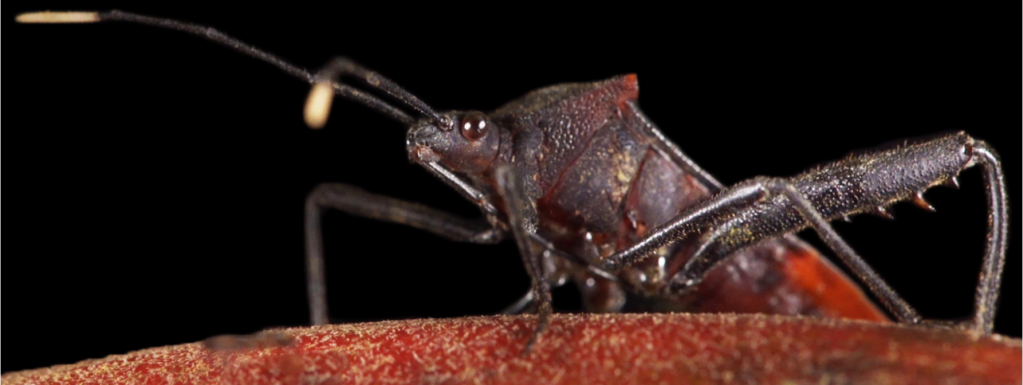
We invite you to join us for our October SUTS event, where we’ll feature Dr. Ummat Somjee, a Stengl-Wyer Scholar from the Department of Integrative Biology at UT Austin. Dr. Somjee will illuminate the fascinating realm of animal weaponry found in nature, discussing their diverse manifestations, evolutionary origins, and the captivating reasons behind their existence.
Our evening kicks off at 7 pm with engaging activities at our natural history and kids’ activities tables. At 7:15 pm, there will be a guided tour of the Brackenridge Field Laboratory, offering you a unique glimpse into the ongoing field research. The main event begins promptly at 8 pm with Dr. Somjee’s talk, followed by an interactive Q&A session. We are keeping our fingers crossed for clear skies this time around! Hope to see you there!
————————————————
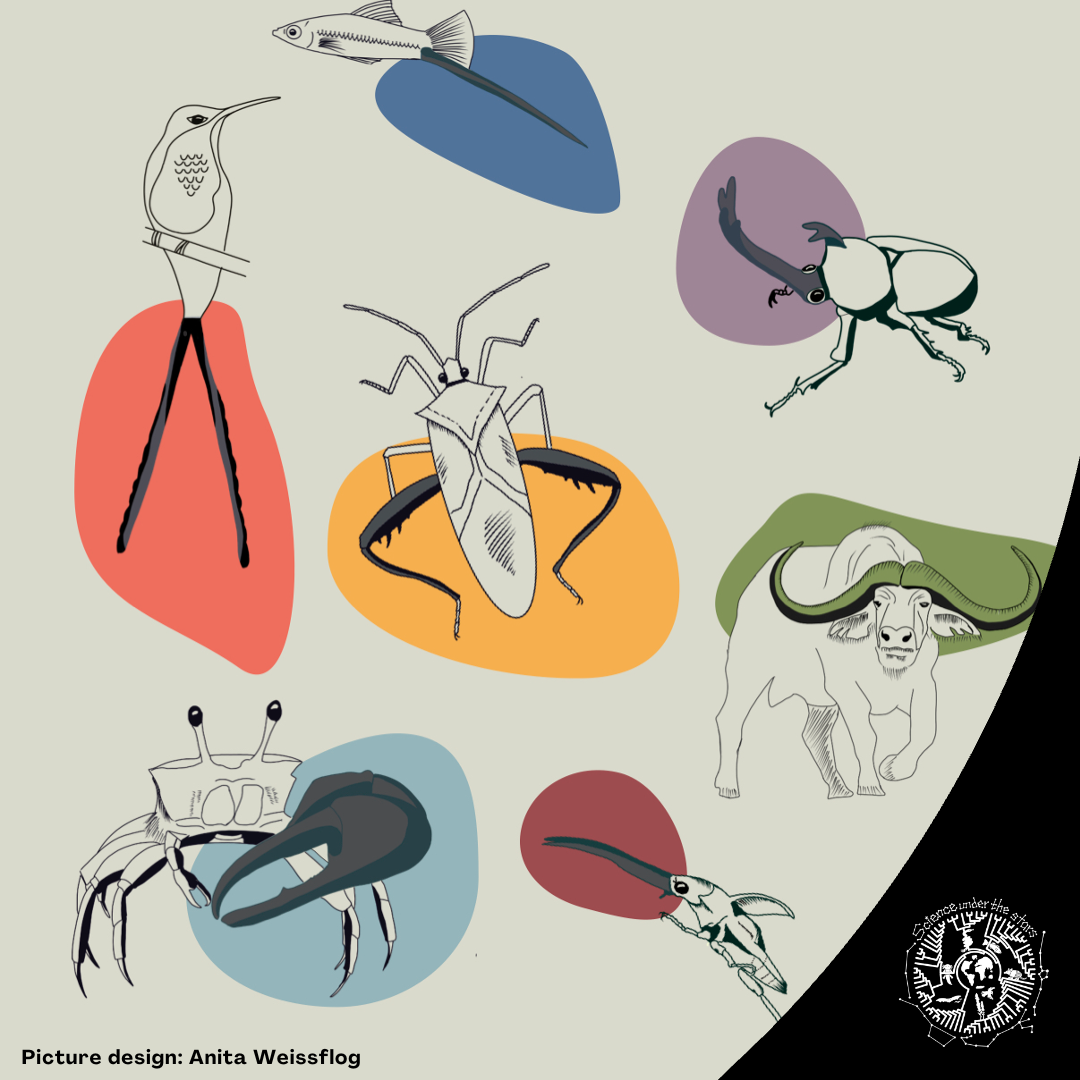
Elephant tusks, giraffe weevil heads, elk antlers and rhinoceros horns are all examples of animal weapons. Animals use these structures to fight, leading to some of the most extreme and elaborate structures in nature. These animal weapons can be large and conspicuous; they draw our attention and capture our curiosity. However, weapons are not always what they seem, animals have developed complex rituals around fighting and competition, many of which still remain a puzzle in the field of animal behavior. The more we study these structures, the more we find that there is so much more going on than we can actually see. What are the unexpected parallels between human boxing matches and the ritualized fights in tusked weevils? Why are some weapons sometimes so large they seem no longer functional in fights? Why are some weapons also dazzling and beautiful? Why do some weapons appear invisible? These are just some of the questions that arise during our tour of weapons in the natural world.
————————————————



 Science Under The Stars