
SUTS Speaker Laura Dugan featured on Commander Ben
Our March 2012 speaker Laura Dugan was recently interviewed by the Invasive Hunter, Commander Ben, who educates kids about invasive species!
Genevieve Smith
Conflict Avoidance:
How NOT Competing Can Be The Ticket to Success.

With over 8 million species and counting on the planet, fighting for survival can be a challenge. But often, being able to avoid competition is as important as facing up to it. Finding new ways to make a living, new places to colonize, and new things to eat allows species to coexist in our crowded world and results in the astonishing variety of life that surrounds us.
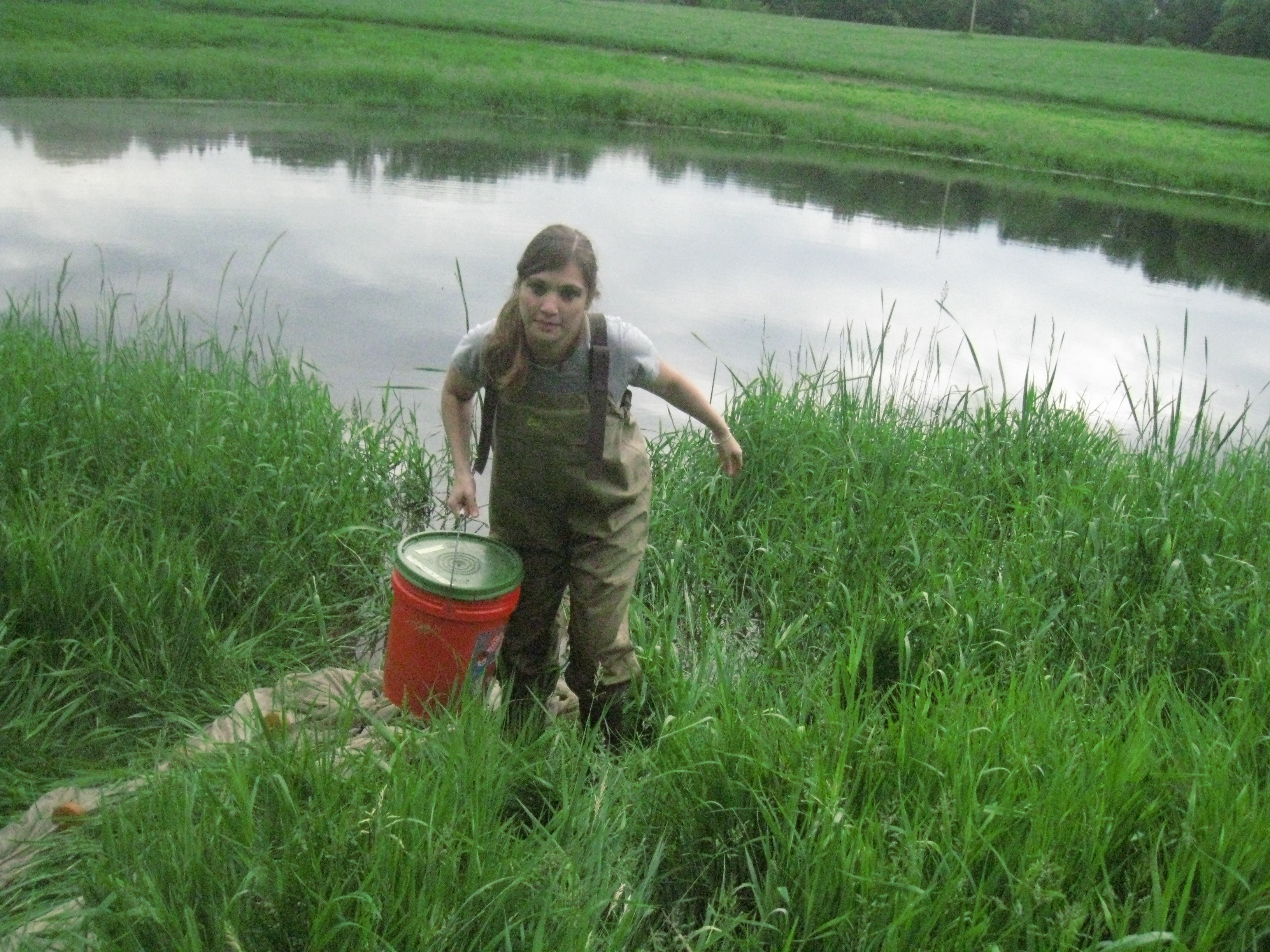
Genevieve studies avoidance of competition in amphipods – tiny crustaceans that live in lakes and ponds.
Nikhil Advani
The Biological Impacts of Climate Change: Insights from Butterflies!


Climate change is predicted to accelerate over the course of this century. Breaking research on butterflies shows how species might respond.
Click here to download the poster from Nikhil’s SUTS Event!

Sarah Davies & Carly Kenkel
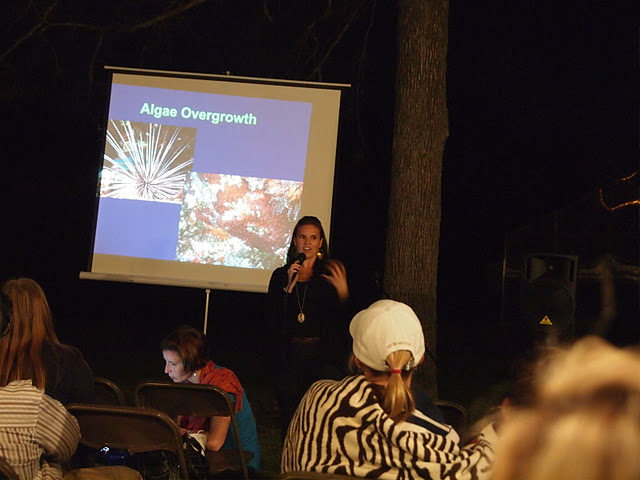
Reef-Building Corals

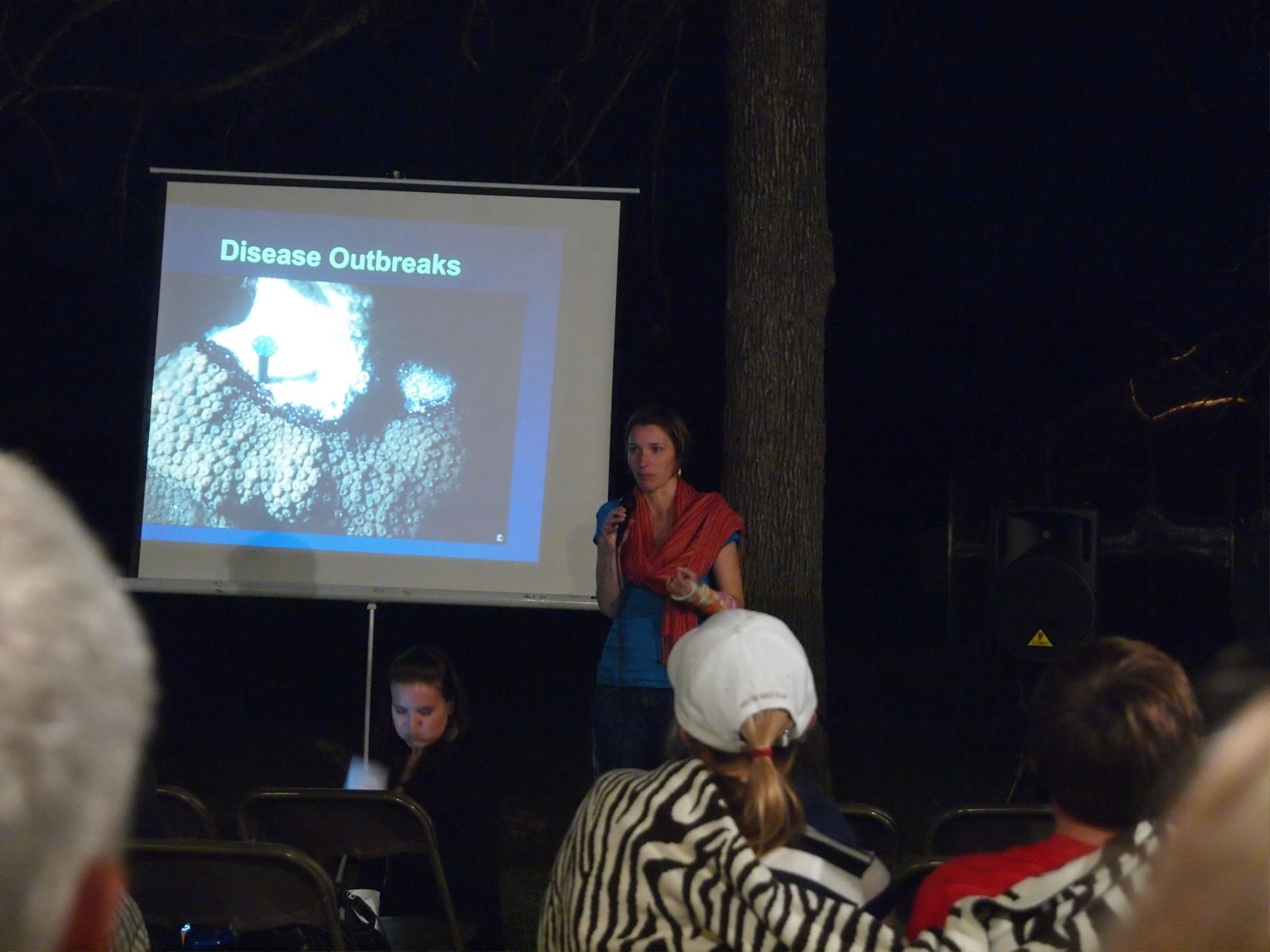
UT biologists team up to answer your most burning questions regarding corals and the ecosystem they help create and support…
Join us for a riveting exploration into coral biology, current threats facing corals, insights from current research, and of course, gratuitous photos and videos of awesome coral reef events!
Click here to download the poster from Sarah & Carly’s SUTS Event!
Larry Gilbert
Organisms across a dynamic landscape: Reflections on the natural and unnatural history of Central and Southern Texas
This lecture is focused on the southern Texas ecosystem where the speaker Larry Gilbert grew up. Much of the region lacks permanent streams and has a highly unpredictable climate. These factors shaped the ecology and natural history of organisms (including people) in the area known as the brush country. Explorer’s accounts from the early 16th century to the early 19th century allow interpretation of certain myths about the vegetation that have shaped management tactics from the 1950s. Conservation of diversity in this region will rely on a certain amount of myth busting along with private initiatives to recognize and retain remaining tracts of native landscape matching earliest accounts. Economic incentives to conserve natural landscapes in the region include hunting and holistic range management for cattle production. Fragmentation of large private ranches is encouraged by inheritance taxes. Tax “write-offs” for “range improvement” encourage removal of natural vegetation. Legal mechanisms to reverse such trends would indirectly promote conservation of remaining tracts of quality habitat.



 Science Under The Stars