
Virtual SUTS! Super Humankind: How humans have adapted to thrive all over the world
Welcome to the first ever Science Under the Virtual Stars! We will be exploring human adaptation to extreme environments this month. Enjoy the kids (of all ages) activities, virtual natural history tour of Brackenridge Field Laboratory, and the lecture on Super Humankind! A Zoom link to the live Q&A with the speaker, Christina Balentine, will be posted next week. This live Q&A will be held on October 8th at 7:00 pm CDT (UTC -5).

Activity 1 (hands-on): Can you adapt? (To print or fill out on your computer, click File > Download > Microsoft Word (.docx) or PDF Document (.pdf))

Activity 2 (hands-on): Feeling peckish! (To print or fill out on your computer, click File > Download > Microsoft Word (.docx) or PDF Document (.pdf))
Activity 3 (online): Skin color adaptation

Coloring book: Adventures in Archaeological Science (multiple languages available)

Tour of Brackenridge Field Laboratory (13 min)

The lecture! Super Humankind: How humans have adapted to thrive all over the world (31 min). Please fill out this form with your questions for the live Q&A on October 8th at 7:00 pm CDT (UTC -5)!
October 1st & 8th, Christina Balentine
Super Humankind: How humans have adapted to thrive all over the world


Superheroes like Wonder Woman, Spiderman, and the X-Men spark the imagination: what if we could have super powers like these heroes? In fact, humans all over the world do have certain super powers! Thanks to genetic adaptation by natural selection and through cultural innovations, humans thrive in seemingly intolerable environments: at extremely high altitudes in the Himalayas; the freezing cold Arctic; and in toxic, arsenic-rich regions. In this presentation, we will explore these and other super human abilities, and see that humans really do have super powers!
Science Under the Stars has gone virtual! This semester all SUTS activities will be online, but we encourage you to participate outdoors under the stars in your backyard! (If wifi allows for it, of course.) October’s schedule is as follows:
- October 1st: Links to the pre-recorded lecture, video tour of Brackenridge Field Lab, kids activities, and more will be posted here and as an event on our Facebook page.
- October 8th, 7:00pm CT: Live Q&A with the speaker! Ask questions ahead of time by filling out the Google Form posted with the event links, or ask your question(s) live during the event.
We can’t wait to “see” y’all again and chat about science!
Science Under the Stars is a free public outreach lecture series based in Austin, Texas.
First Neighborhood Science of the Semester!
Claire Hemingway – Brainy bats: strategies for finding food in the jungle at night
Bats are remarkable in their diversity. Over 1300 species of bats can be found in every continent, except Antarctica. They come in a variety of different sizes, shapes, and colors They also eat many different things such as fruit, nectar, insects, frogs, and fish. Because many bats have to find their food at night, they have evolved a whole suite of different hunting strategies. The brains of these impressive animals have been shaped for a long time to allow bats to find and remember where food is. I will cover just a handful of examples of the ways in which these animals have come up with solutions for finding food at night.
Science Under the Stars has expanded to include the Austin Public Library! At Neighborhood Science, previous SUTS speakers will present at different library branches around the city a couple times a month. This fun free talk for people of all ages will be held at the Howson Branch Library (2500 Exposition Blvd) on Tuesday, January 28th starting at 7:30pm. Q&A will follow the talk.
December 12, Claire Hemingway
Brainy bats: strategies for finding food in the jungle at night
Bats are remarkable in their diversity. Over 1300 species of bats can be found in every continent, except Antarctica. They come in a variety of different sizes, shapes, and colors They also eat many different things such as fruit, nectar, insects, frogs, and fish. Because many bats have to find their food at night, they have evolved a whole suite of different hunting strategies. The brains of these impressive animals have been shaped for a long time to allow bats to find and remember where food is. I will cover just a handful of examples of the ways in which these animals have come up with solutions for finding food at night.
Science Under the Stars is a free public outreach lecture series in Austin, Texas. The talk will be held outdoors at Brackenridge Field Laboratory, 2907 Lake Austin Blvd, Austin, Texas 78703. Here’s the schedule for this month’s event (please note time change):
- 6:00 pm: Snacks, kids activities, and displays of local animals and plants found at Brackenridge Field Laboratory will be available.
- 6:15 pm-6:45 pm: Guided tour of the field lab (wear sturdy shoes and bring water)!
- 7:00 pm: Settle in, because the talk begins now!
- 7:45 pm: Q&A with the speaker.
First time visitor? Please read our pet policy & field station rules here, and find parking info and directions here.
Special event! September 19, Larry Gilbert
The history and role of Brackenridge Field Laboratory at 52 years and counting
Have you wondered about how and why UT Austin keeps a field lab in the middle of the city? Come on out to this special, one-time event to learn about the history and discoveries made at Brackenridge Field Lab (BFL).
In the 1880’s, leaders of Austin attempted to industrialize with hydroelectric potential of the Colorado River. George Brackenridge provided capital, and land for a dam and a quarry that provided most the dam’s structure. The quarry, abandoned in 1893, and deep silt deposits that followed the dam’s collapse in 1900, were two disturbances that ultimately created a patch of urban nature dedicated as Brackenridge Field Laboratory in 1967. This backdrop explains how BFL, as a keystone resource that fostered UT’s premier graduate program in biology, could be created although never planned for this role by city or university leadership.
Science Under the Stars is a free public outreach lecture series in Austin, Texas. The talk will be held outdoors at Brackenridge Field Laboratory, 2907 Lake Austin Blvd, Austin, Texas 78703. Here’s the schedule for this month’s event:
- 7:00 pm: Snacks, kids activities, and displays of local animals and plants discovered at Brackenridge Field Laboratory will be available.
- 7:15 pm-7:45 pm: Guided tour of the field lab (wear sturdy shoes and bring water)!
- 8:00 pm: Settle in, because the talk begins now!
- 8:45 pm: Q&A with the speaker.
First time visitor? Please read our pet policy & field station rules here, and find parking info and directions here.

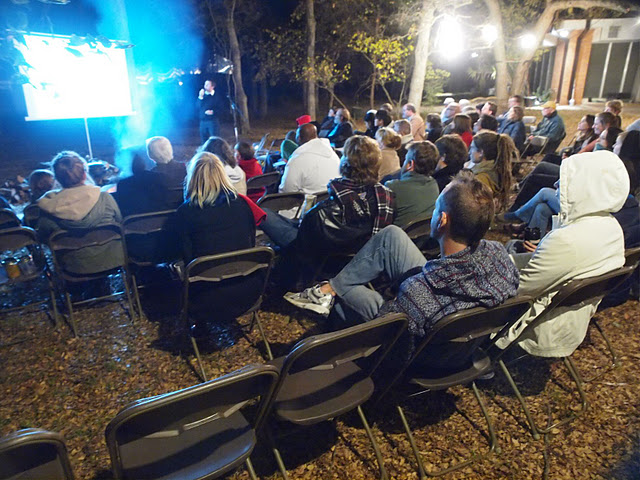

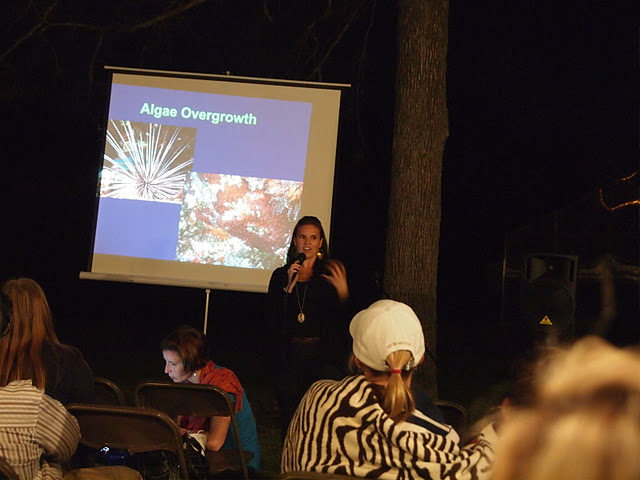

 Science Under The Stars