
Stavana Strutz
The Wild Wild West:
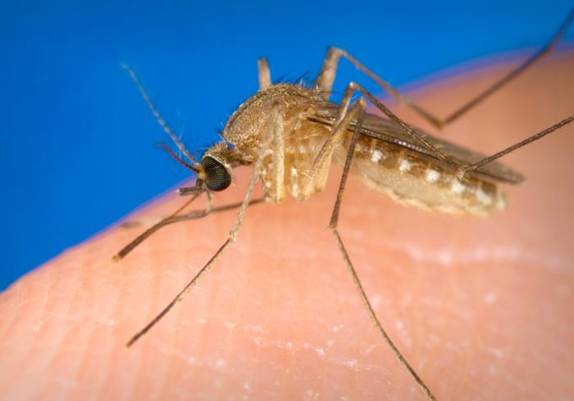
West Nile and Vector-borne Disease in Texas

Nikhil Advani
The Biological Impacts of Climate Change: Insights from Butterflies!


Climate change is predicted to accelerate over the course of this century. Breaking research on butterflies shows how species might respond.
Click here to download the poster from Nikhil’s SUTS Event!

Nichole Bennett
Sex, Bugs & Rock ‘N Roll
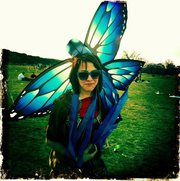

Humans have long been attracted to the beauty and mystique of insects. The sway and lunge of the praying mantis inspired kung fu in China, and ancient Egyptians decorated with images of scarab beetles. Likewise, people have both appreciated and integrated insect songs into their own cultures, from the cover art of rock ‘n’ roll albums to the insect choruses of the Dong people. We will embark on a multi-modal experience at the interface of insect songsters and human curiosity.
Click here to download the poster from Nichole’s SUTS Event!

Barrett Klein
SLEEP and the Plight of a Weary Honey Bee
Sleep is something we can all relate to, but are hard pressed to define. We spend a third of our lives asleep and we have little understanding why. Why do you sleep? Is it for the same reason an insect sleeps? Join me for a foray into the realm of dreams, of different electrophysiological states, and of sleeping insect societies. (some of my work with honey bee and paper wasp sleep: www.pupating.org
John Abbott
The Art and Science of High-speed Flash Photography


Have you ever wondered what you could see in nature by stopping the motion of a fast moving event? With high-speed flash photography, you can achieve exposures as fast as 1/50,000 sec and see exactly how a wing might be used in flight or a beetle might dive into the water. I will talk about what high-speed flash photography is and the techniques involved in carrying it out along with the implications for scientific inquiry.
Dr. John Abbott is curator of insects at the Texas Natural Science Center and is owner of John C. Abbott Nature Photography

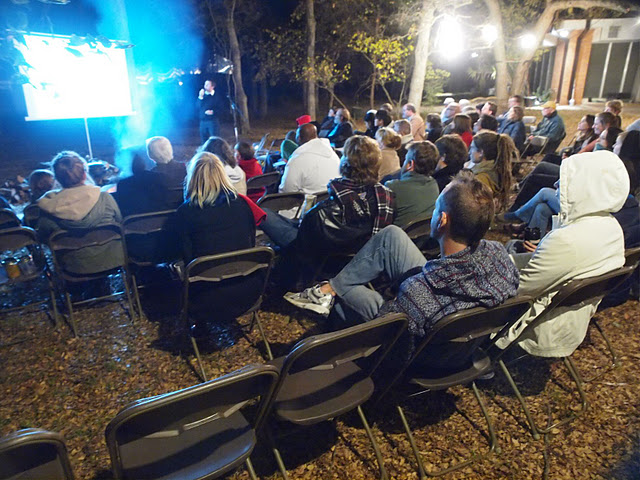

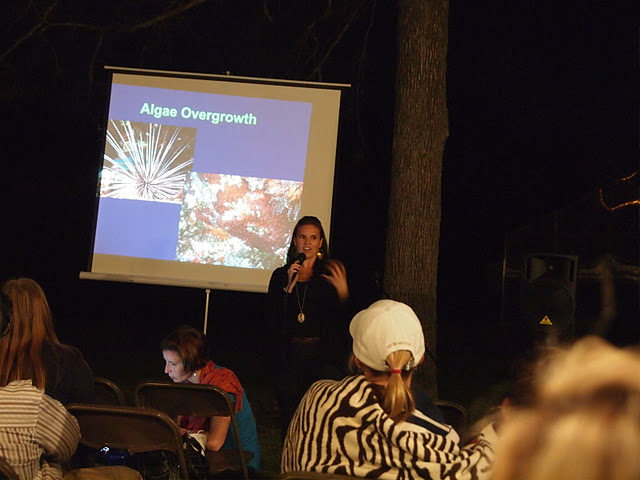

 Science Under The Stars