
October 9th, Allison Hutt
Flora of the Living Dead: Resurrection Plants of Central Texas
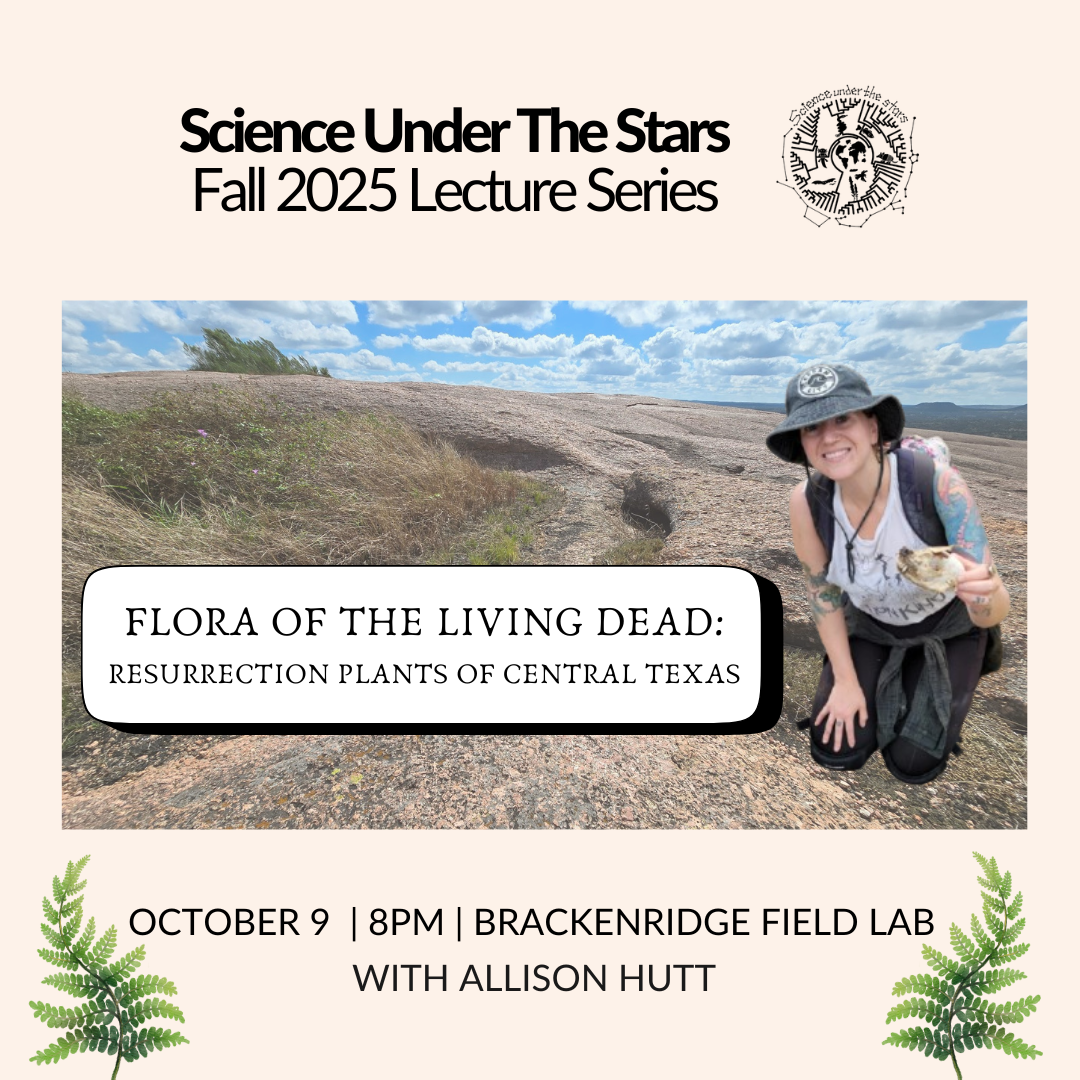
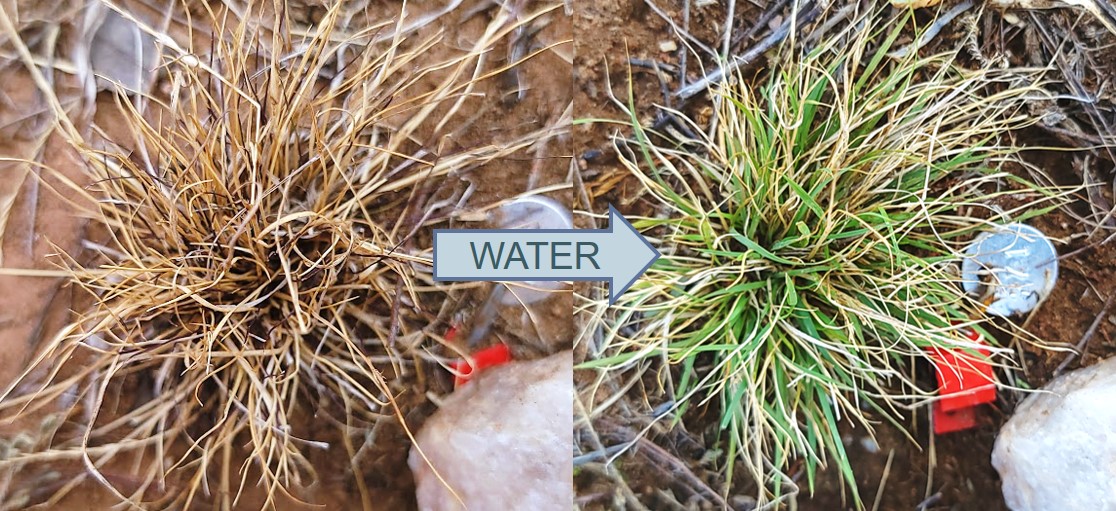
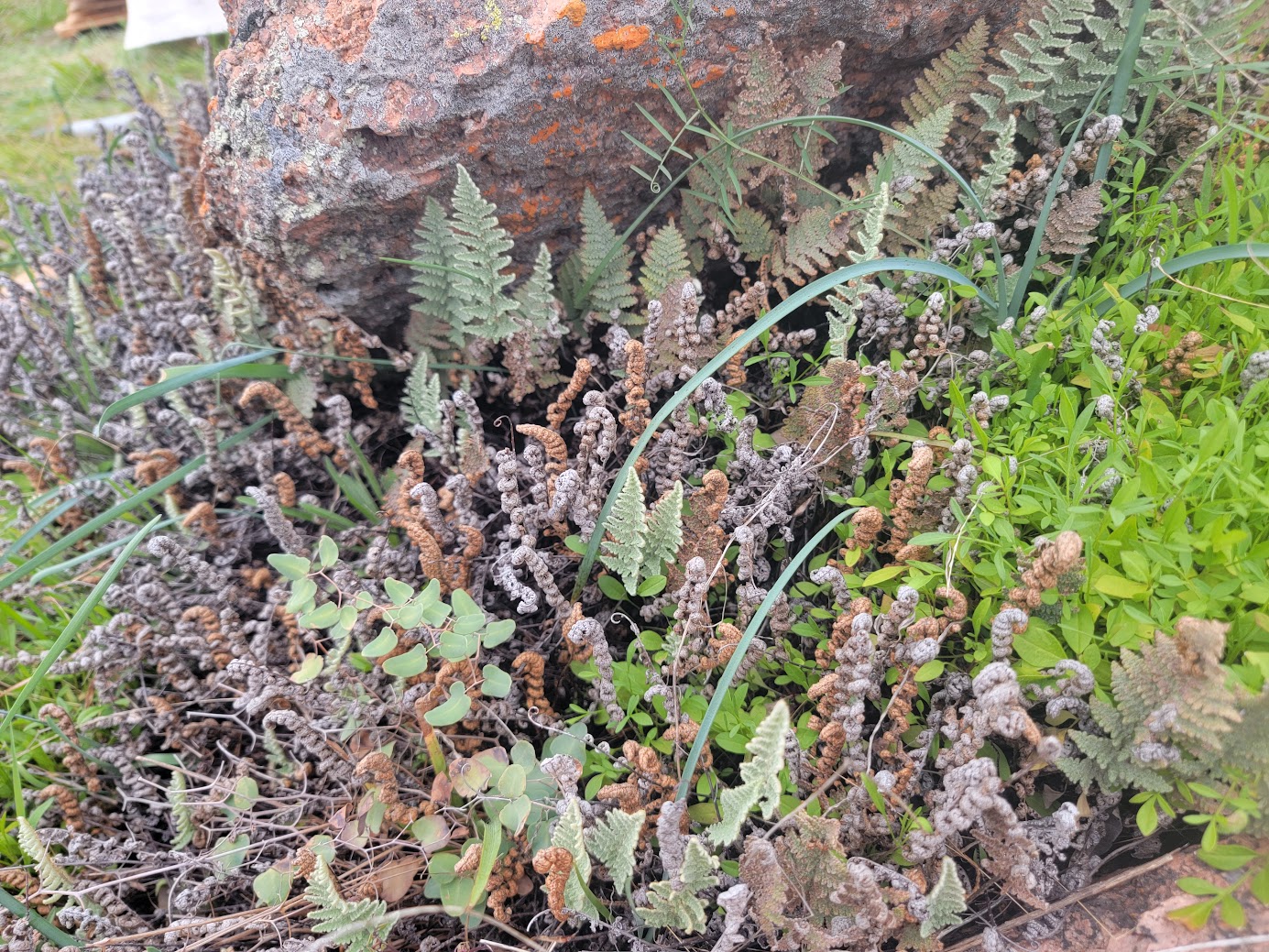
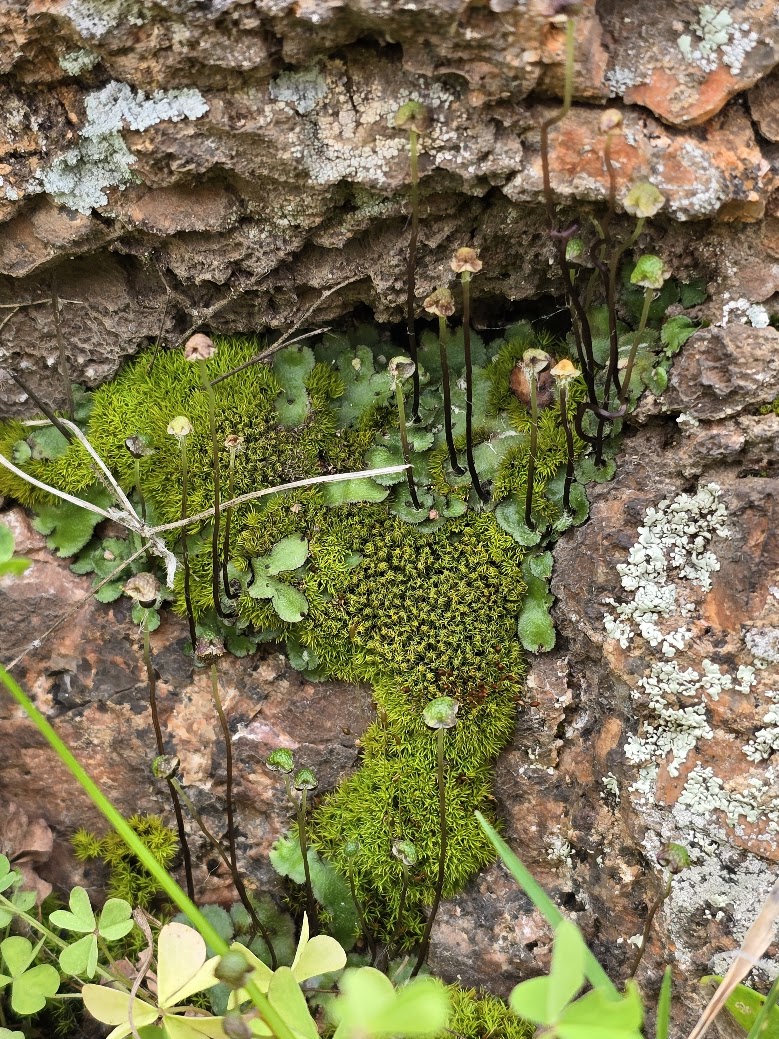
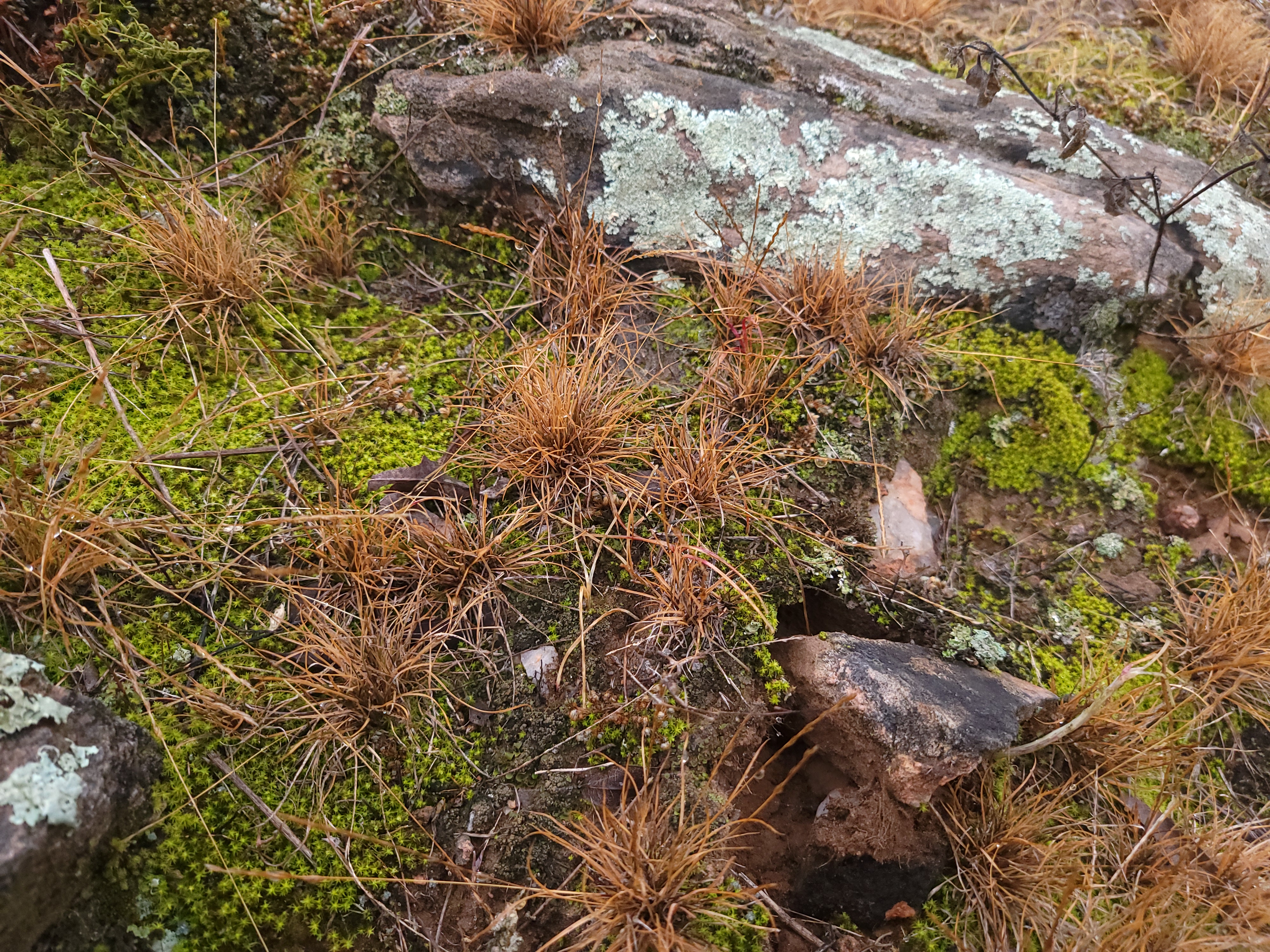
Can plants rise from the dead like zombies? Let’s get into the spirit of Halloween season with a talk about some of the creepiest plants around– resurrection plants! Resurrection plants use a special ability called desiccation tolerance to survive extreme drought conditions that would easily kill most other creatures. This talk will highlight the ecology, evolution, and diversity of resurrection plants native to Texas, and explain what we know (and don’t know!) about how they manage to cheat death. Join Allison Hutt on October 9th to learn about resurrection plants!
Allison Hutt is a Plant Biology PhD student at UT Austin researching the ecology, physiology, and genetics of Texas native resurrection grass Tripogonella spicata (American five minute grass). Resurrection plants have the amazing ability to systematically dry themselves out during drought, allowing them to protect desiccated tissue in a state of dormancy. They can then rehydrate and resume normal function in a matter of hours after rainfall. Allison’s research focuses on the genetic and phenotypic variation in the Texas population of T. spicata, the physiological and genetic response to repeated bouts of desiccation and rehydration, and the ecology of resurrection plant communities in Central Texas.
Lecture Schedule
- 7:00 pm: Kid’s activities and natural history displays
- 7:15 pm – 7:45 pm: Guided tour of the Brackenridge Field Laboratory (sturdy shoes and water recommended!)
- 8:00 pm: The talk begins!
- 8:45 pm: Q&A with the speaker
📍 Location: Brackenridge Field Laboratory, 2907 Lake Austin Blvd, Austin, Texas 78703
💡 No RSVP is required – just show up and enjoy!
🅿️ Free parking is available at BFL for all lecture events!
🌦️ While we aim to host all events outdoors, sometimes weather conditions or volunteer capacity may require that we move the event inside the laboratory building.
Follow us on our Instagram, Twitter, YouTube, Facebook, or email us to stay updated on event-specific details. We look forward to seeing you at our events! ✨
September 11th, Rossana Maguiña-Conde
The Life of A Flower
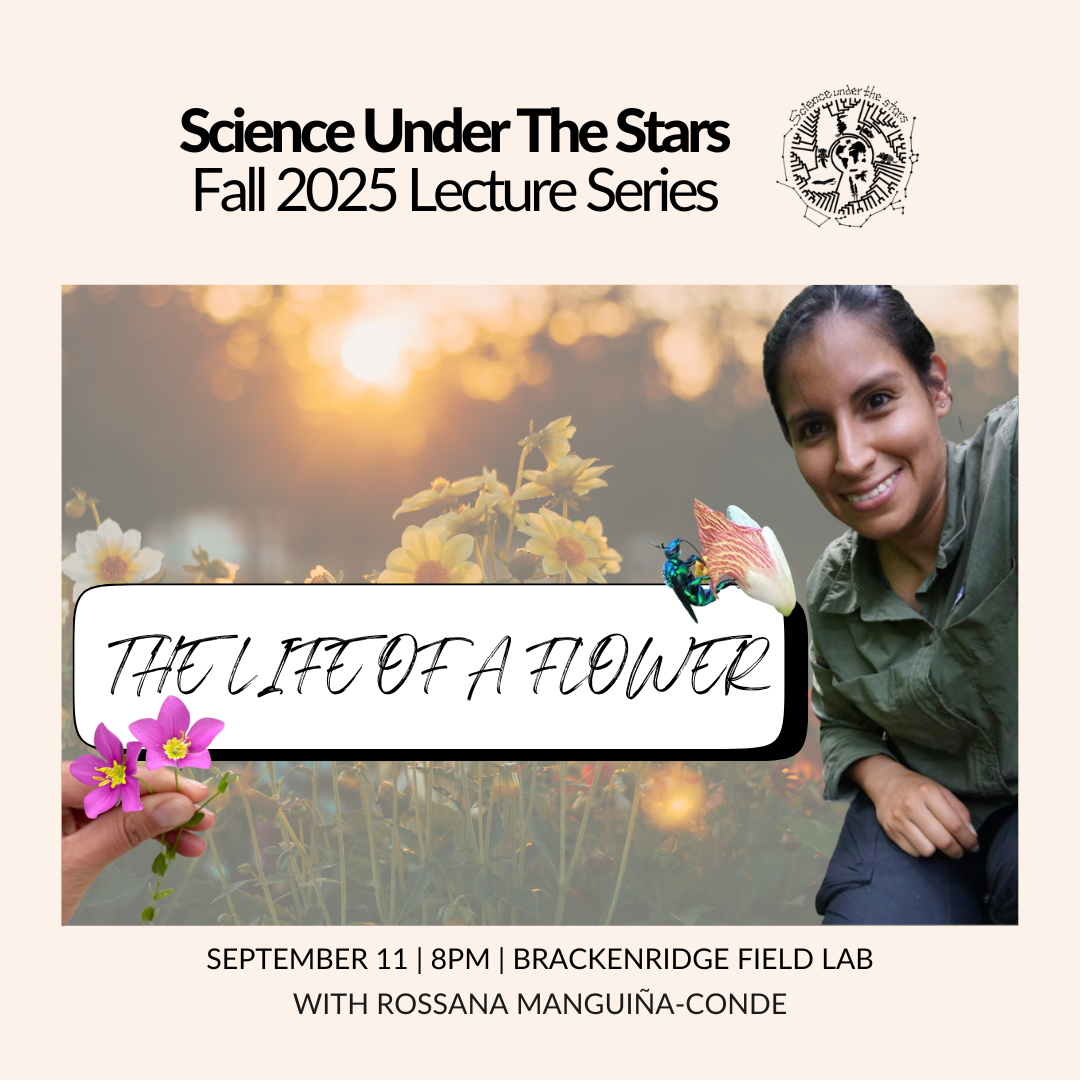
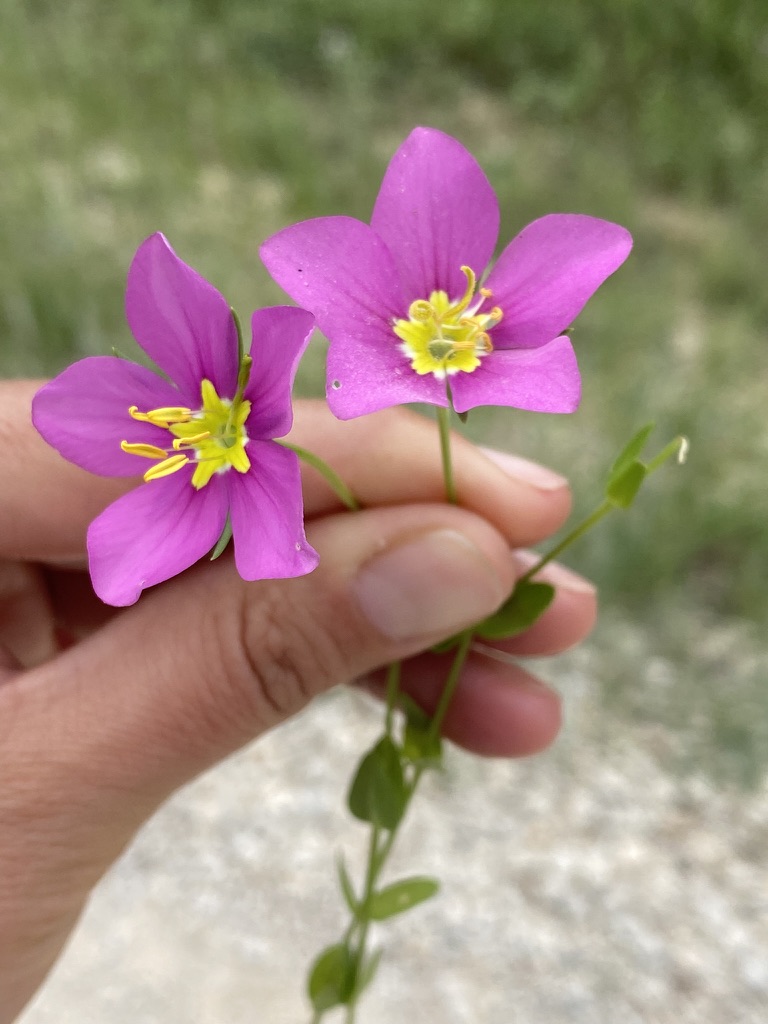
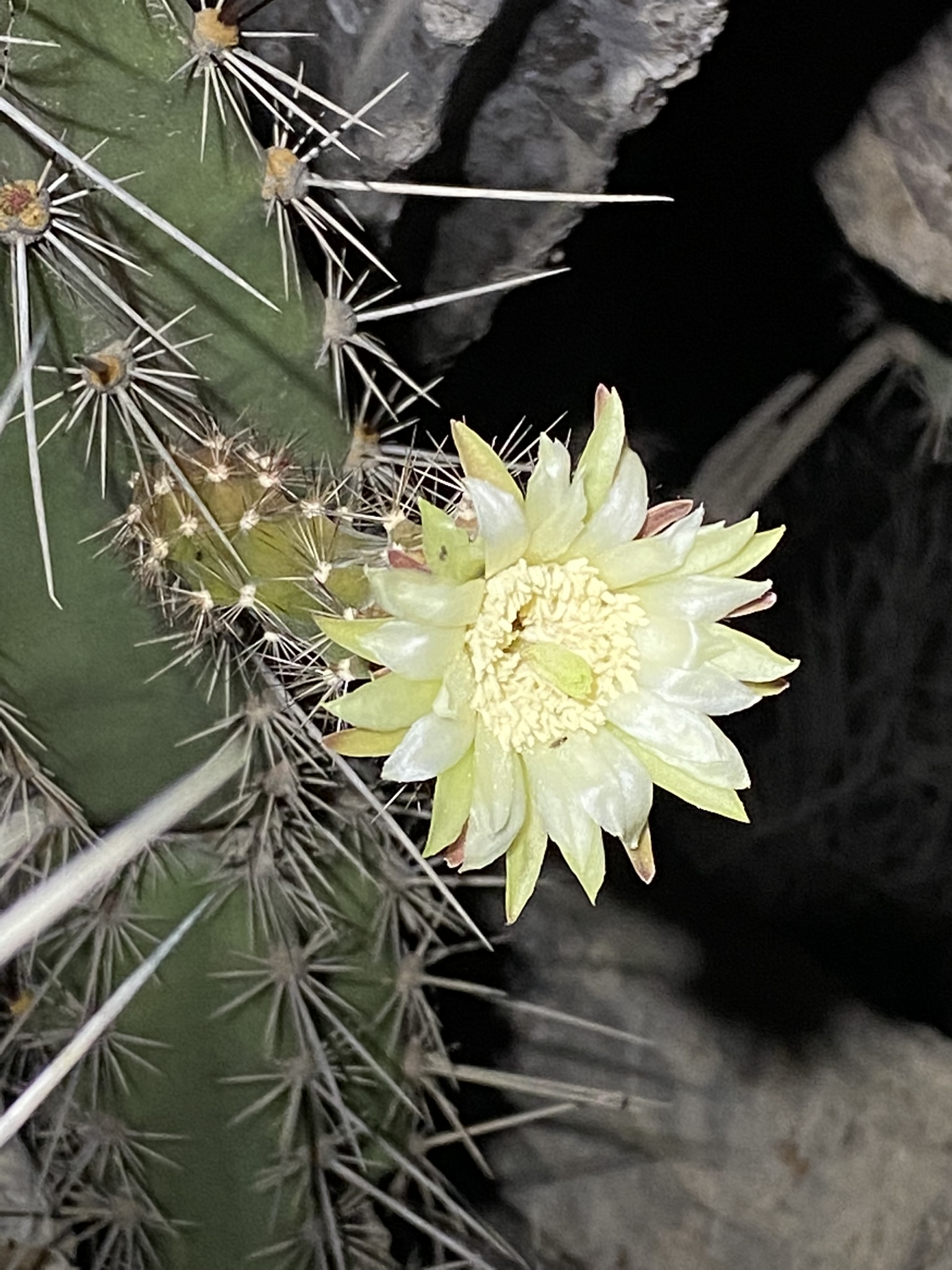
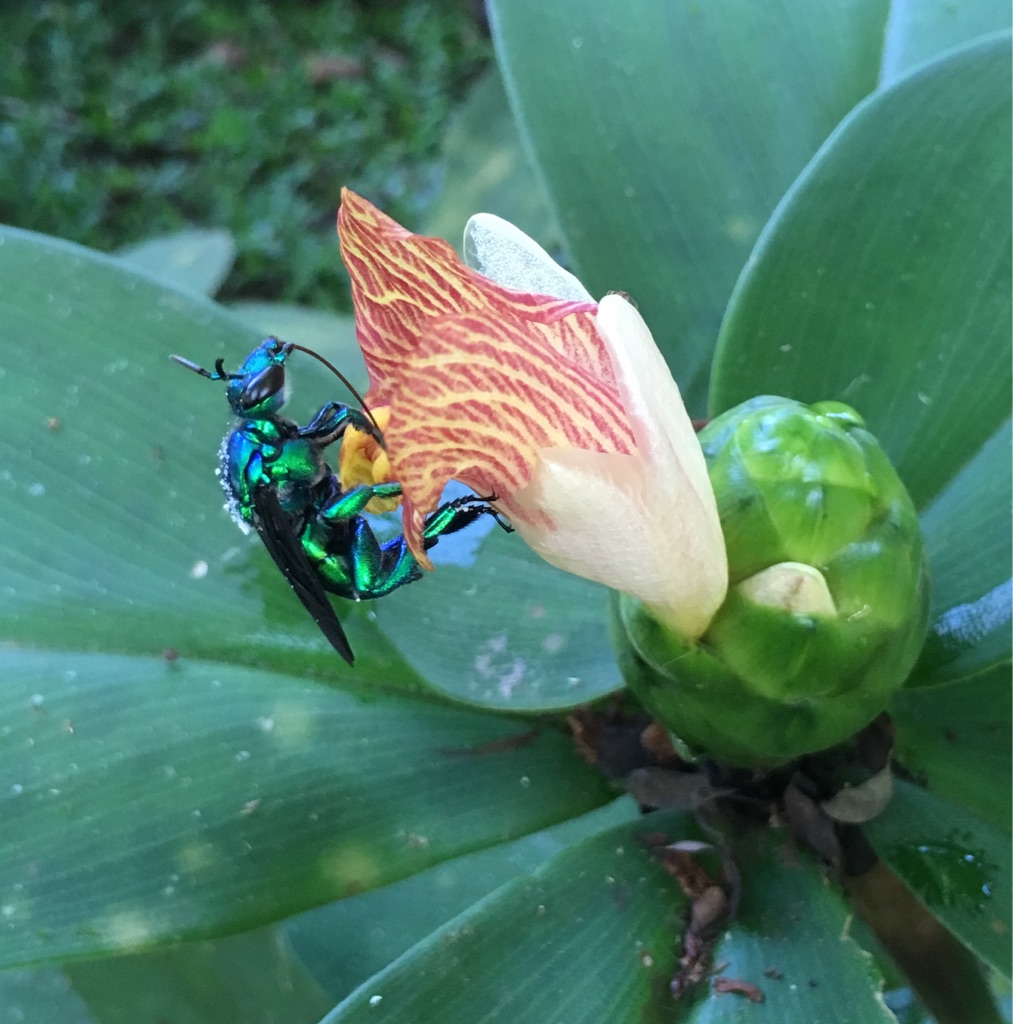
Flowers are more than just beautiful structures—they are essential organs for plant reproduction. Nearly 90% of flowering plant species rely on animal pollinators to transfer pollen and ensure successful reproduction. In this talk, we’ll delve into the fascinating world of floral biology, exploring the diverse traits flowers have evolved to attract their pollinators. From color and scent to shape and timing, each characteristic tells a story of coevolution and ecological partnership. Join Rossana Maguiña-Conde on September 11th to learn about the life of a flower!
Rossana Maguiña-Conde is an evolutionary ecologist studying plant-pollinator interactions and plant reproductive systems. She is currently working as a postdoctoral researcher at the Stengl Lost Pines Biological Station surveying insects, plants, and soil after a wildfire. Dr. Maguiña-Conde received her PhD in Ecology and Evolutionary Biology from the University of California Santa Cruz, where she studied studied plant evolution and the role of pollinators on this process, focusing on how flowers evolved from a bee syndrome to a bird syndrome in the Neotropical spiral gingers in Costa Rica and Peru. She received her MS in Biology from the University of Missouri at St. Louis, where she studied the feeding ecology of nectar bats and their associated plants in cloud forests of Ecuador.
Lecture Schedule
- 7:00 pm: Kid’s activities and natural history displays
- 7:15 pm – 7:45 pm: Guided tour of the Brackenridge Field Laboratory (sturdy shoes and water recommended!)
- 8:00 pm: The talk begins!
- 8:45 pm: Q&A with the speaker
📍 Location: Brackenridge Field Laboratory, 2907 Lake Austin Blvd, Austin, Texas 78703
💡 No RSVP is required – just show up and enjoy!
🅿️ Free parking is available at BFL for all lecture events!
🌦️ While we aim to host all events outdoors, sometimes weather conditions or volunteer capacity may require that we move the event inside the laboratory building.
Follow us on our Instagram, Twitter, YouTube, Facebook, or email us to stay updated on event-specific details. We look forward to seeing you at our events! ✨
November 8, Colin Morrison
Plant and Animal Chemical Interactions
If atoms are the alphabet of life, then chemistry is the language that articulates those building blocks and gives them meaning in our lives. Behind every biological interaction—from mating signals to toxicity warnings—chemicals guide and shape possible outcomes.
Biologists study the variation of life using many different lenses. One tool that Colin uses in his research is the study of chemical ecology. Chemical ecology combines the fields of chemistry and biology to understand the causes and consequences of species interactions, distribution, abundance, and diversity. The promise of studying the chemistry of interactions between plants and animals stems from its potential to further our understanding of ecology and allow us to conserve nature in a holistic way. This month, Colin will show that chemistry is not an abstract study confined to research laboratories. Rather, it is a universal way of communicating that is responsible for the quantity and quality of plant and animal life on Earth. Colin Morrison is a PhD student in UT’s Ecology, Evolution, and Behavior program. You can read more about his work here: https://www.colinrmorrison.com/
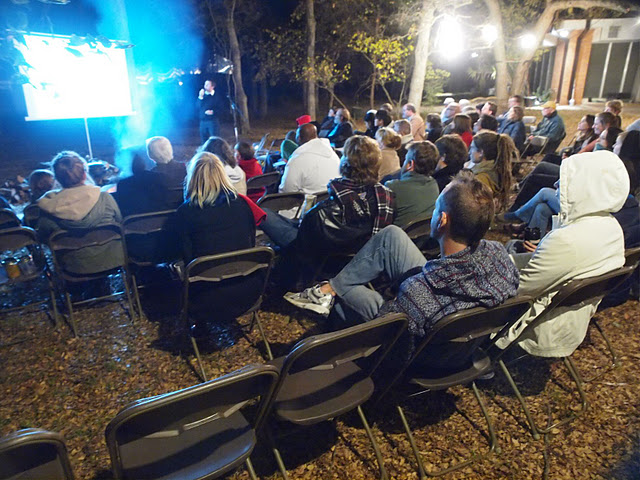
Science Under the Stars is a free public outreach lecture series in Austin, Texas. The talk will be held outdoors at Brackenridge Field Laboratory, 2907 Lake Austin Blvd, Austin, Texas 78703. Here’s the schedule for this month’s event:
- 6:00 pm: Snacks and displays of local animals and plants found at Brackenridge Field Laboratory will be available.
- 6:30 pm: Kids activities start! Meet with our children’s division for fun activities designed for all ages.
- 7:00 pm: Settle in, because the talk begins now!
- 7:45 pm: Q&A with the speaker.
First time visitor? Please read our pet policy & field station rules here, and find parking info and directions here.
Genevieve Smith
Conflict Avoidance:
How NOT Competing Can Be The Ticket to Success.

With over 8 million species and counting on the planet, fighting for survival can be a challenge. But often, being able to avoid competition is as important as facing up to it. Finding new ways to make a living, new places to colonize, and new things to eat allows species to coexist in our crowded world and results in the astonishing variety of life that surrounds us.
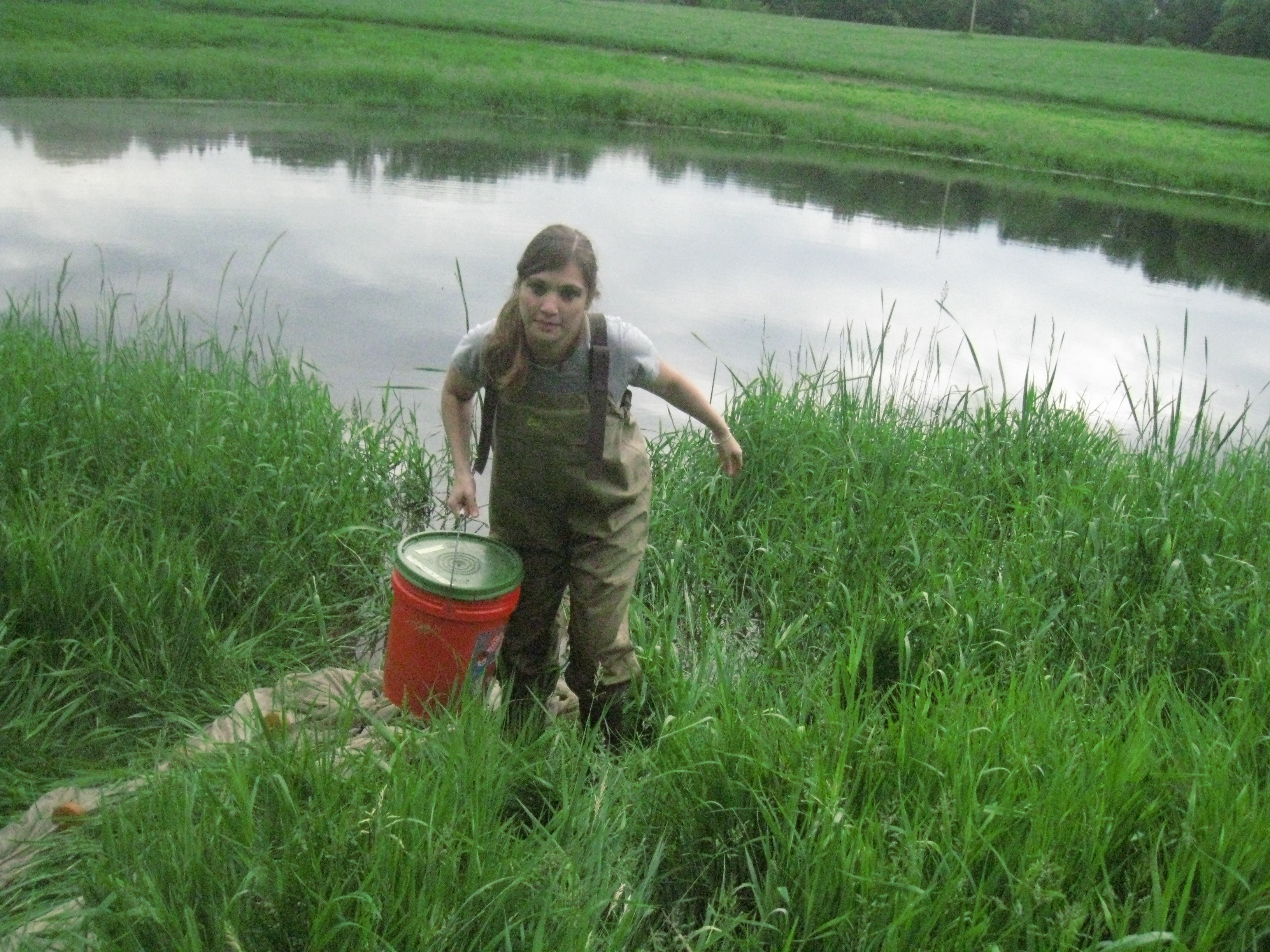
Genevieve studies avoidance of competition in amphipods – tiny crustaceans that live in lakes and ponds.



 Science Under The Stars