
October 9th, Allison Hutt
Flora of the Living Dead: Resurrection Plants of Central Texas
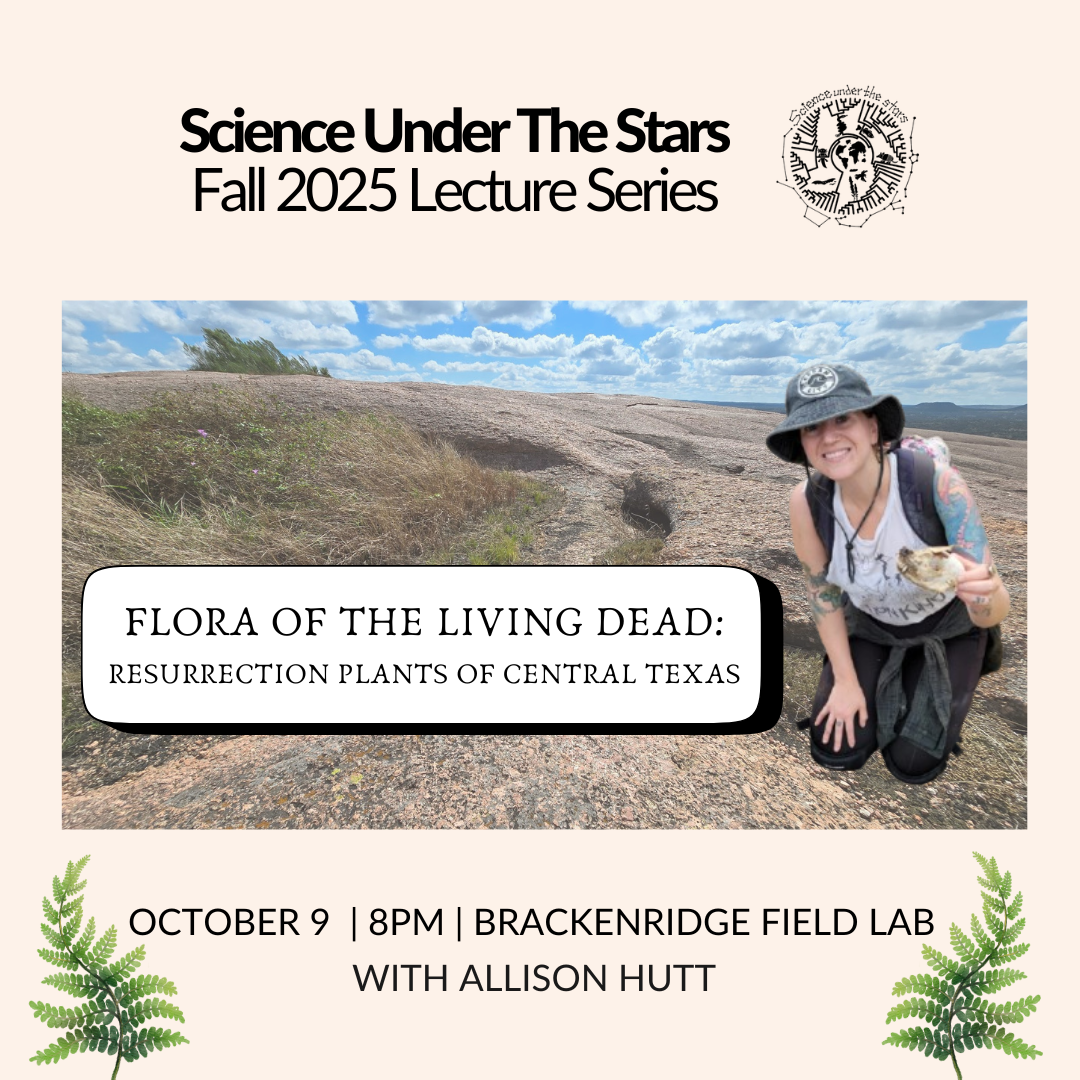
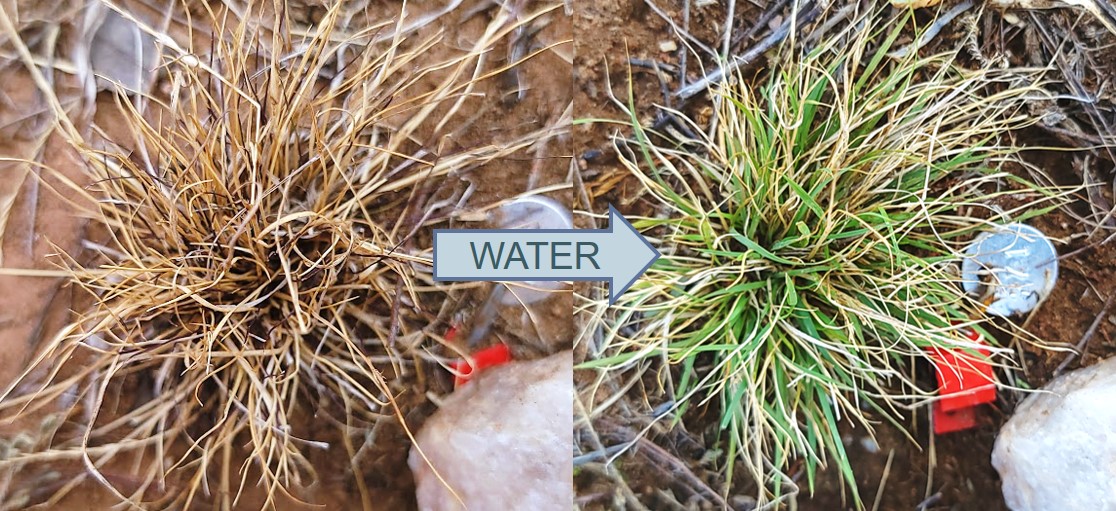
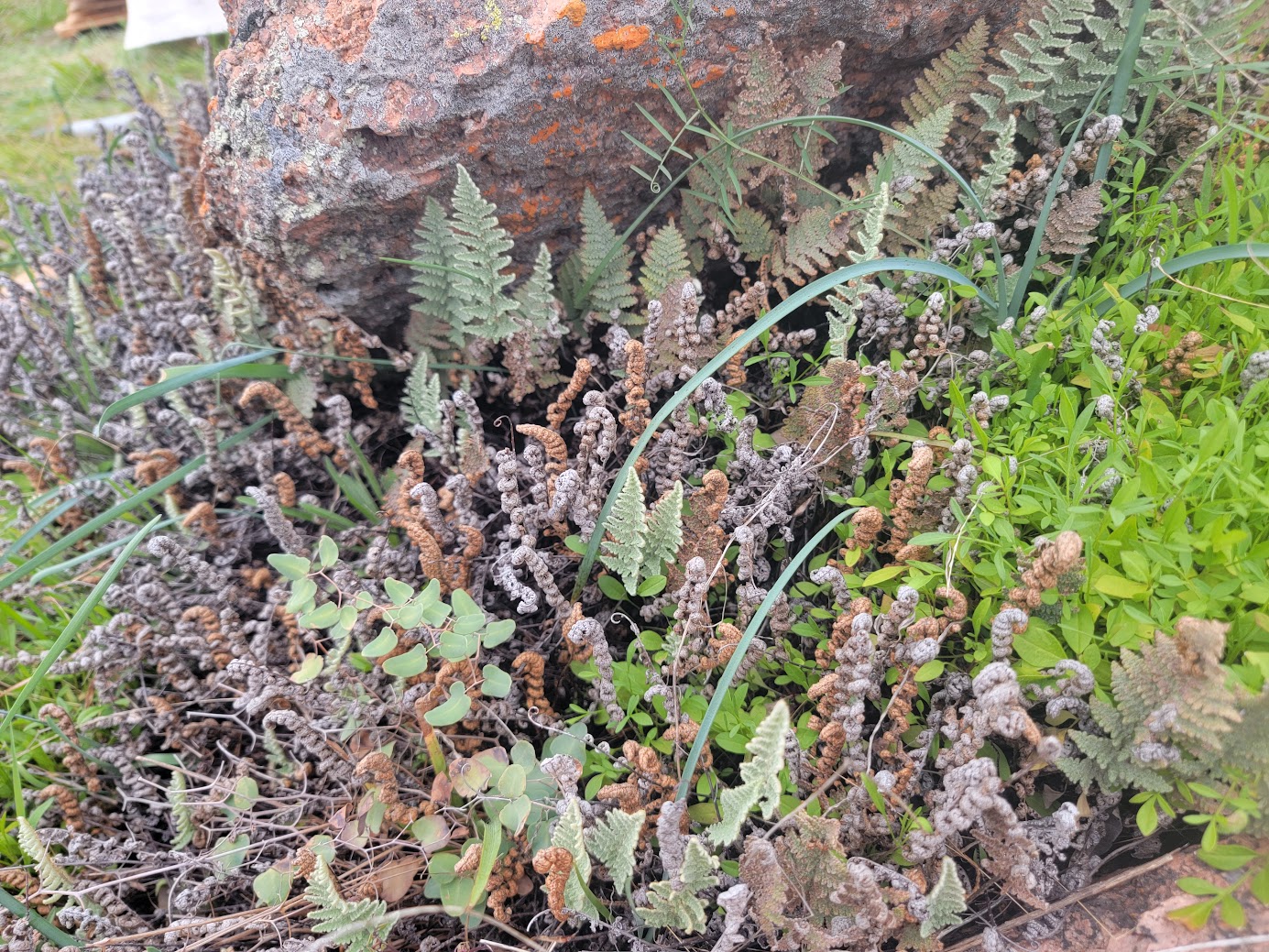
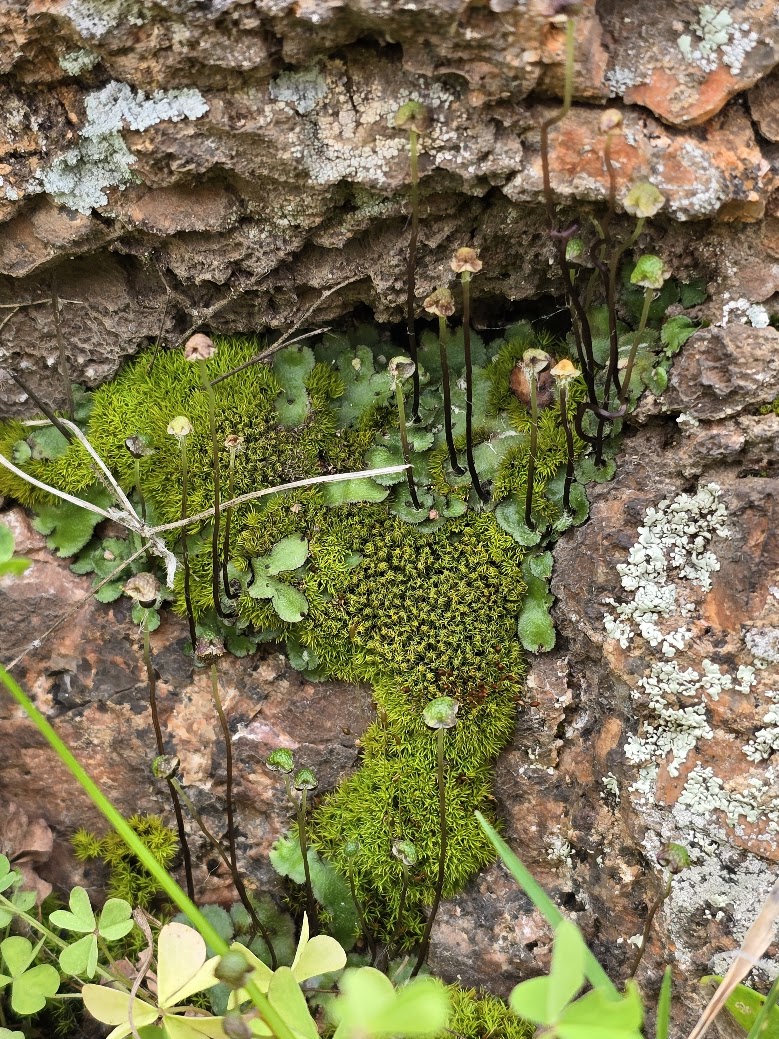
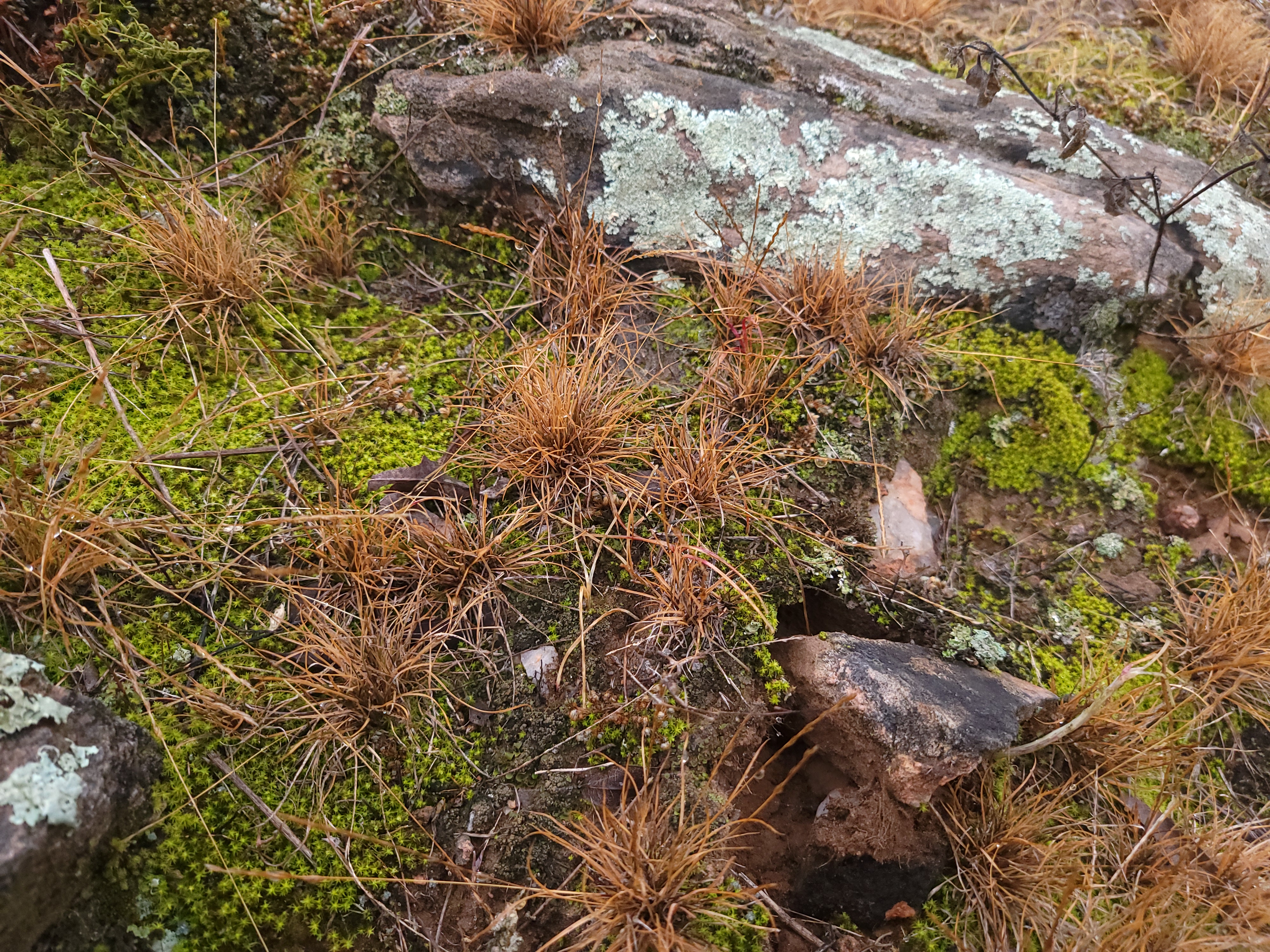
Can plants rise from the dead like zombies? Let’s get into the spirit of Halloween season with a talk about some of the creepiest plants around– resurrection plants! Resurrection plants use a special ability called desiccation tolerance to survive extreme drought conditions that would easily kill most other creatures. This talk will highlight the ecology, evolution, and diversity of resurrection plants native to Texas, and explain what we know (and don’t know!) about how they manage to cheat death. Join Allison Hutt on October 9th to learn about resurrection plants!
Allison Hutt is a Plant Biology PhD student at UT Austin researching the ecology, physiology, and genetics of Texas native resurrection grass Tripogonella spicata (American five minute grass). Resurrection plants have the amazing ability to systematically dry themselves out during drought, allowing them to protect desiccated tissue in a state of dormancy. They can then rehydrate and resume normal function in a matter of hours after rainfall. Allison’s research focuses on the genetic and phenotypic variation in the Texas population of T. spicata, the physiological and genetic response to repeated bouts of desiccation and rehydration, and the ecology of resurrection plant communities in Central Texas.
Lecture Schedule
- 7:00 pm: Kid’s activities and natural history displays
- 7:15 pm – 7:45 pm: Guided tour of the Brackenridge Field Laboratory (sturdy shoes and water recommended!)
- 8:00 pm: The talk begins!
- 8:45 pm: Q&A with the speaker
📍 Location: Brackenridge Field Laboratory, 2907 Lake Austin Blvd, Austin, Texas 78703
💡 No RSVP is required – just show up and enjoy!
🅿️ Free parking is available at BFL for all lecture events!
🌦️ While we aim to host all events outdoors, sometimes weather conditions or volunteer capacity may require that we move the event inside the laboratory building.
Follow us on our Instagram, Twitter, YouTube, Facebook, or email us to stay updated on event-specific details. We look forward to seeing you at our events! ✨
September 11th, Rossana Maguiña-Conde
The Life of A Flower
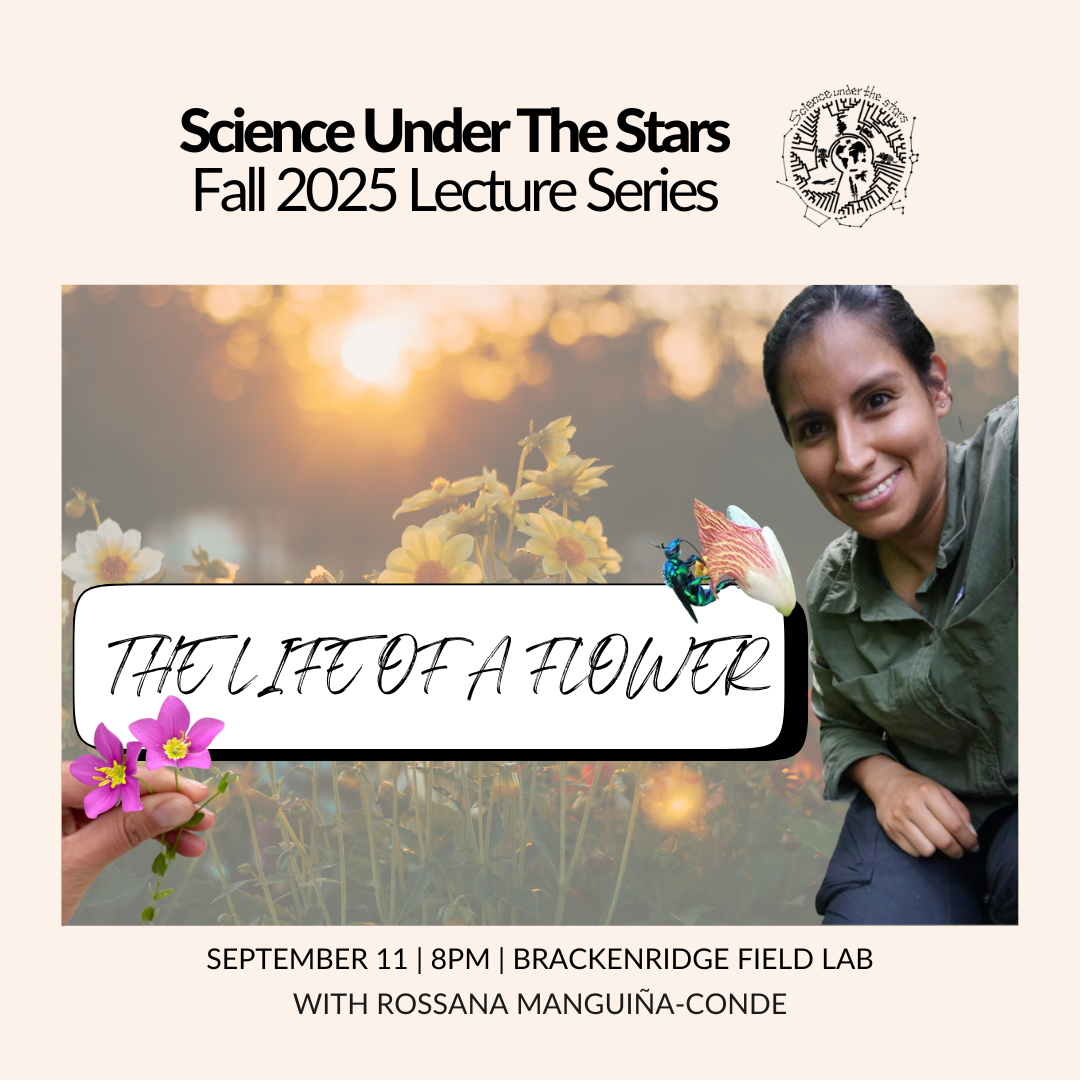
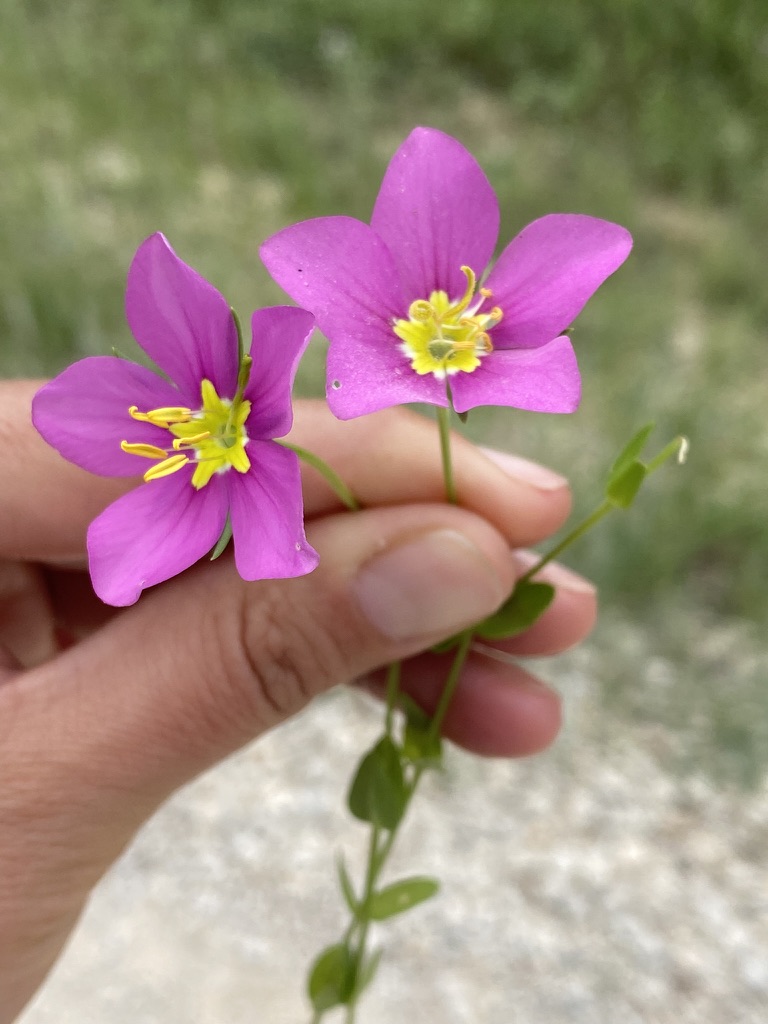
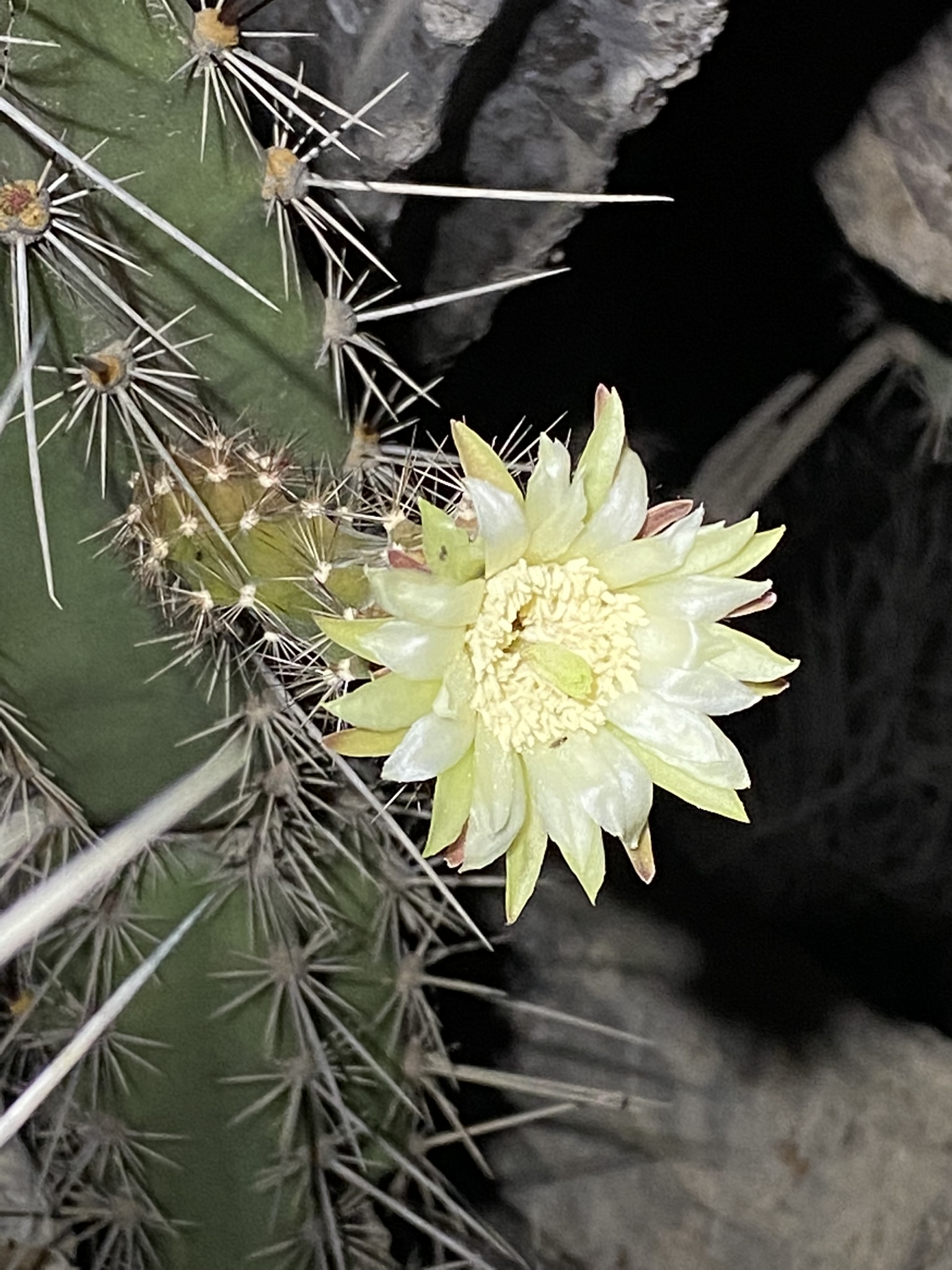
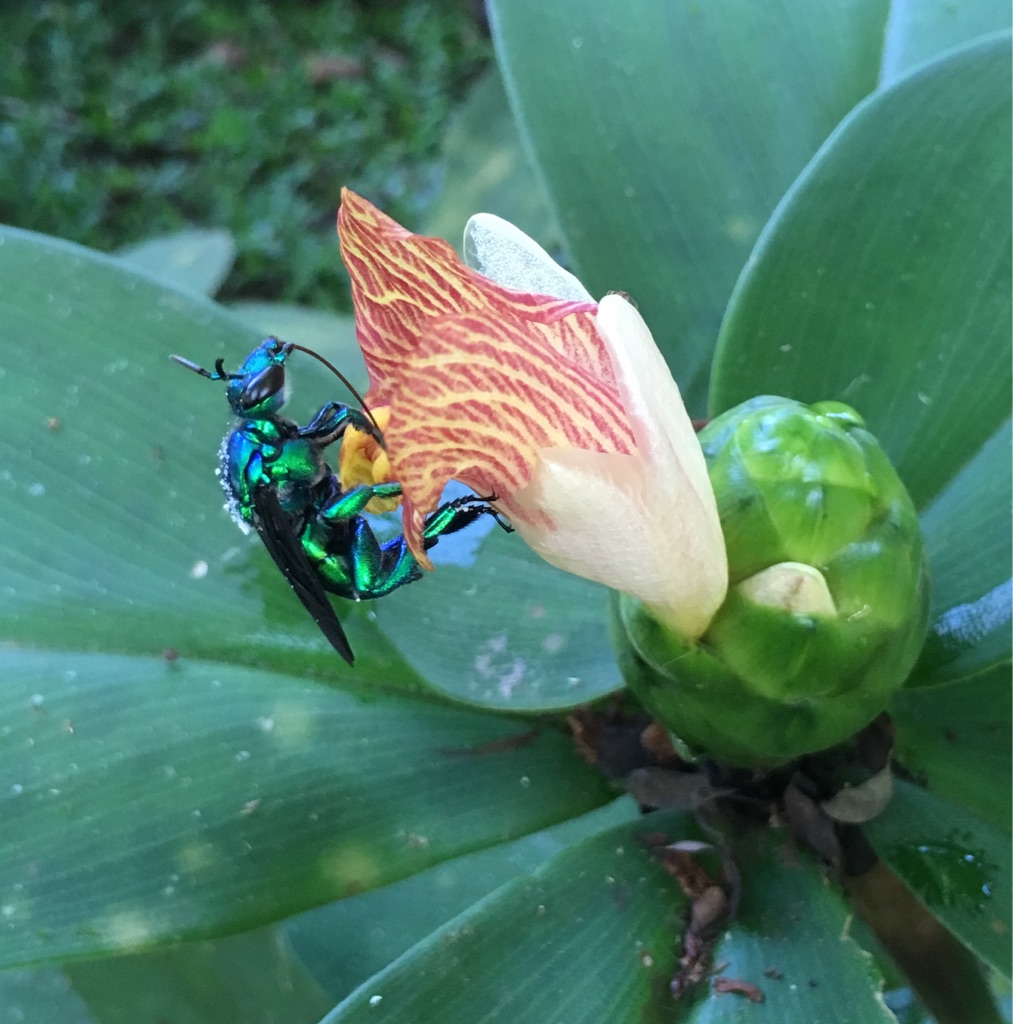
Flowers are more than just beautiful structures—they are essential organs for plant reproduction. Nearly 90% of flowering plant species rely on animal pollinators to transfer pollen and ensure successful reproduction. In this talk, we’ll delve into the fascinating world of floral biology, exploring the diverse traits flowers have evolved to attract their pollinators. From color and scent to shape and timing, each characteristic tells a story of coevolution and ecological partnership. Join Rossana Maguiña-Conde on September 11th to learn about the life of a flower!
Rossana Maguiña-Conde is an evolutionary ecologist studying plant-pollinator interactions and plant reproductive systems. She is currently working as a postdoctoral researcher at the Stengl Lost Pines Biological Station surveying insects, plants, and soil after a wildfire. Dr. Maguiña-Conde received her PhD in Ecology and Evolutionary Biology from the University of California Santa Cruz, where she studied studied plant evolution and the role of pollinators on this process, focusing on how flowers evolved from a bee syndrome to a bird syndrome in the Neotropical spiral gingers in Costa Rica and Peru. She received her MS in Biology from the University of Missouri at St. Louis, where she studied the feeding ecology of nectar bats and their associated plants in cloud forests of Ecuador.
Lecture Schedule
- 7:00 pm: Kid’s activities and natural history displays
- 7:15 pm – 7:45 pm: Guided tour of the Brackenridge Field Laboratory (sturdy shoes and water recommended!)
- 8:00 pm: The talk begins!
- 8:45 pm: Q&A with the speaker
📍 Location: Brackenridge Field Laboratory, 2907 Lake Austin Blvd, Austin, Texas 78703
💡 No RSVP is required – just show up and enjoy!
🅿️ Free parking is available at BFL for all lecture events!
🌦️ While we aim to host all events outdoors, sometimes weather conditions or volunteer capacity may require that we move the event inside the laboratory building.
Follow us on our Instagram, Twitter, YouTube, Facebook, or email us to stay updated on event-specific details. We look forward to seeing you at our events! ✨
Emily Jane McTavish
Journey to a New World – The Global History of Texas Longhorn Cattle!

★ Texas’s iconic longhorn cattle are descended from herds arriving with Columbus in the 1490’s. Left to roam the unfenced southwest, they adapted to their new environment through natural selection.
★ Using genomic data, we will trace the longhorn’s remarkable history – both around the globe, and back to the time of cattle domestication 8,000 years ago!
Chad Smith
Race To Egg: How Sperm Competition Drives the Evolution of the Sexes.

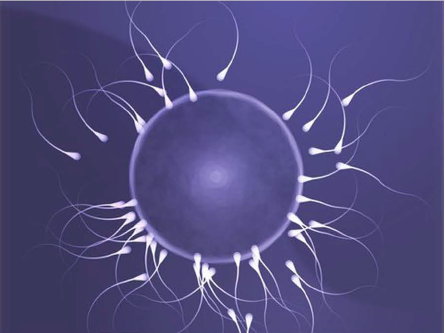
Why do males produce so many sperm? While Charles Darwin is famous for explaining how male competition for females could lead to the evolution of male ornaments and weapons, he did not foresee that competition could continue after mating is over. In this talk we’ll explore how competition between sperm from more than one male for the fertilization of the eggs can have widespread effects on male behavior, anatomy, and of course the characteristics of the sperm itself. In addition, we now recognize females can play an important role in determining the outcome of sperm competition, and as a consequence we’ll talk about female role in this process.
Click here to download the poster from Chad’s SUTS Event!

Eben Gering
Sexual conflict and female revolution in damselflies
Among the ponds of the Brackenridge Field Laboratory lurks the living evidence of a multi-million year struggle between males and females. Find out how the battle between the sexes contributes to evolution, and why some female damselflies at Brackenridge look suspiciously like males…



 Science Under The Stars