
Spring 2024 Schedule
Happy New Year! We are thrilled to announce Science Under The Stars’ spring 2024 schedule. Please mark your calendars for our monthly events presenting topics on science and nature by UT scientists:
- January 18: Elena Leander – Grasslands: Champions of change
- February 8: Devin Grobert – Fire, water, and biodiversity: How Austin water uses fire to restore ecosystems and how you can help
- March 21: Kristina Black – Amazing adaptations under the sea: Nature’s genetic toolbox for coral reef restoration
- April 11: Sarah Ortiz – From the ground up: Exploring biodiversity in your backyard
Here’s the schedule for each of the events (RSVP is not required):
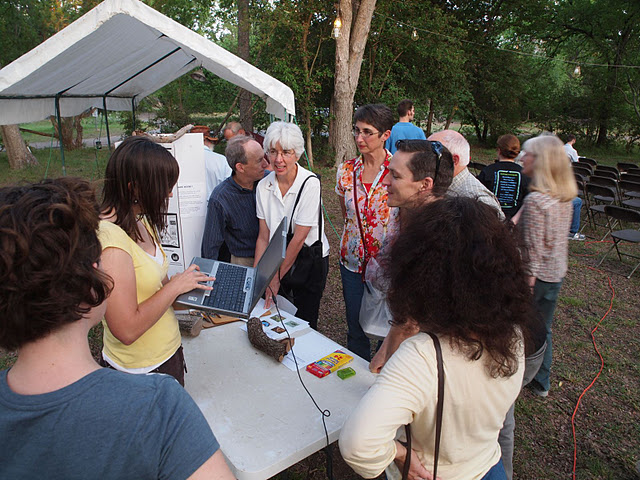
- 7:00 pm: Kid’s activities and natural history displays related to the talk
- 7:15 pm – 7:45 pm: Guided tour of the Brackenridge Field Lab (wear sturdy shoes and bring water)!
- 8:00 pm: Settle in, because the talk begins now!
- 8:45 pm: Q&A with the speaker
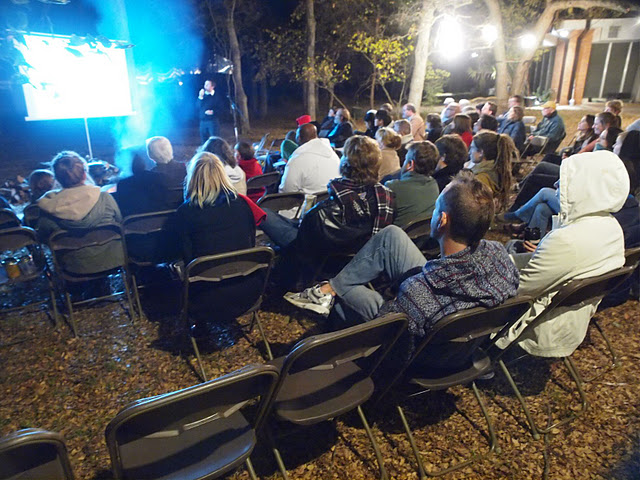
Science Under the Stars is a free public outreach lecture series in Austin, Texas. Events are held outdoors at Brackenridge Field Laboratory, 2907 Lake Austin Blvd, Austin, Texas 78703. We will post the precise schedules and links for each event in a separate, event-specific post. Subscribe to this blog, our Instagram, Twitter, YouTube channel, Facebook page, or send us emails to get event notifications.

April 11th, Sarah Ortiz
From the ground up: Exploring biodiversity in your backyard


April is here, and we invite you to join our monthly SUTS event on April 11th as we explore the beauty and importance of Central Texas Biodiversity. Sarah Ortiz, PhD candidate from the Department of Integrative Biology at UT Austin will talk about why biodiversity at the local levels matters, how we are studying biodiversity here in Austin from soils to herbivores, and how to best cultivate biodiversity in your backyard.
Our evening kicks off at 7 pm with engaging activities at our natural history and kids’ activities tables. At 7:15 pm, there will be a guided tour of the Brackenridge Field Laboratory, offering you a unique glimpse into the ongoing field research. The main event begins promptly at 8 pm with Sarah’s talk, followed by an interactive Q&A session.
———————————————
March 21st, Kristina Black
Amazing adaptations under the sea: Nature’s genetic toolbox for coral reef restoration


Coral reefs are declining around the world, and humans are rushing to restore them. For our March event, we are excited to host Kristina Black, PhD candidate from the Department of Integrative Biology at UT Austin, who will be presenting her research on coral reef conservation. We will dive into the major strategies used by coral restoration practitioners and cover true stories from the Caribbean. We will also learn about cutting-edge genetic approaches to help corals adapt to their changing environment.
Our evening kicks off at 7 pm with engaging activities at our natural history and kids’ activities tables. At 7:15 pm, there will be a guided tour of the Brackenridge Field Laboratory, offering you a unique glimpse into the ongoing field research. The main event begins promptly at 8 pm with Kristina’s talk on coral reefs, followed by an interactive Q&A session.
———————————————
February 8th, Devin Grobert
Fire, water, and biodiversity: How Austin water uses fire to restore ecosystems and how you can help


The Water Quality Protection Lands program of Austin Water protects over 34,000 acres of natural areas over the subsurface watershed of Barton Springs. Come to our February SUTS event and learn why and how your municipal water utility uses prescribed fire to restore biodiversity and ecosystem function, how research conducted at UT Austin informs land management, and ways you can get involved with this long-term, watershed scale ecosystem restoration project.
Our evening kicks off at 7 pm with engaging activities at our natural history and kids’ activities tables. At 7:15 pm, there will be a guided tour of the Brackenridge Field Laboratory, offering you a unique glimpse into the ongoing field research. The main event begins promptly at 8 pm with Devin’s talk, followed by an interactive Q&A session.
———————————————
January 18th, Elena Leander
Grasslands: Champions of Change


What is it that comes to mind when you think of grasslands? Is it your front lawn? A golf course? Something else? Ecologically, native grasslands are much more complex than you might imagine – they are diverse and teeming with life! Spreading across the Earth millions of years ago, grassland species’ unique adaptations and relationships have allowed them to thrive in the face of environmental pressures. Yet, does their resilience have limits? How might we better understand, protect, and harness the power of grasslands? As we settle into a new year and invite change into our own lives, we welcome you to join Elena Leander on Jan 18, Thursday and learn lessons from the grassland biome, a global champion of change.
Our evening kicks off at 7 pm with engaging activities at our natural history and kids’ activities tables. At 7:15 pm, there will be a guided tour of the Brackenridge Field Laboratory, offering you a unique glimpse into the ongoing field research. The main event begins promptly at 8 pm with Elena’s talk, followed by an interactive Q&A session.
———————————————




 Science Under The Stars