
Spring 2020 Semester Schedule
It’s that time of the year, mark your calendars! We have four wonderful speakers scheduled for the semester of talks, on the second Thursday of every month:
- February 13: Natalie Foster – Dust to dust: the life cycle of stars in our universe
- March 12: Tristan Kubik – Fermented fantasia: a leavenly evening sure to spoil you rotten!
- April 9: Christina Balentine – Super humankind: how humans have adapted to thrive all over the world
- May 14: Isaac Miller-Crews – Animal brains!
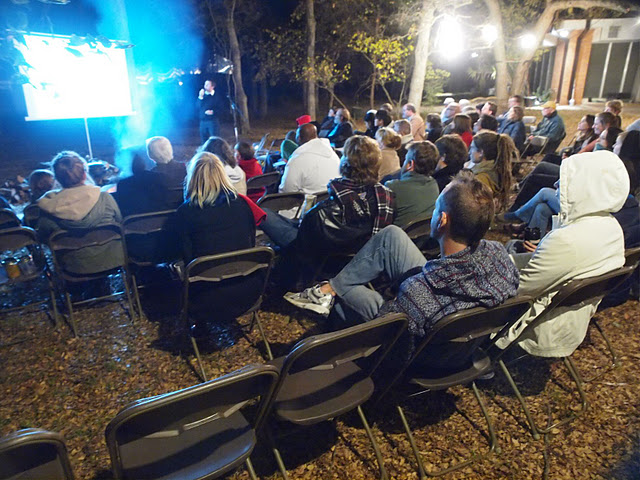
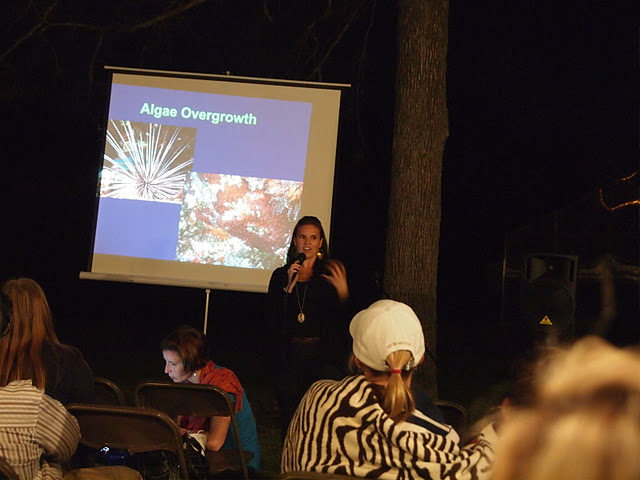
Science Under the Stars is a free public outreach lecture series in Austin, Texas. Events are held outdoors at Brackenridge Field Laboratory, 2907 Lake Austin Blvd, Austin, Texas 78703. Arrive early for refreshments and fun activities for kids of all ages!
Note: We will post the precise schedules for each event in a separate, event-specific post. Follow this blog or our Facebook page to get event notifications.
First time visitor? Please read our pet policy & field station rules here, and find parking info and directions here.
Thank you!
Thank you all for a great fall semester! We will be back in the spring with more awesome talks! Keep an eye out here and on our Facebook page for the Spring Semester schedule, to be posted in January. 🙂
December 12, Claire Hemingway
Brainy bats: strategies for finding food in the jungle at night
Bats are remarkable in their diversity. Over 1300 species of bats can be found in every continent, except Antarctica. They come in a variety of different sizes, shapes, and colors They also eat many different things such as fruit, nectar, insects, frogs, and fish. Because many bats have to find their food at night, they have evolved a whole suite of different hunting strategies. The brains of these impressive animals have been shaped for a long time to allow bats to find and remember where food is. I will cover just a handful of examples of the ways in which these animals have come up with solutions for finding food at night.
Science Under the Stars is a free public outreach lecture series in Austin, Texas. The talk will be held outdoors at Brackenridge Field Laboratory, 2907 Lake Austin Blvd, Austin, Texas 78703. Here’s the schedule for this month’s event (please note time change):
- 6:00 pm: Snacks, kids activities, and displays of local animals and plants found at Brackenridge Field Laboratory will be available.
- 6:15 pm-6:45 pm: Guided tour of the field lab (wear sturdy shoes and bring water)!
- 7:00 pm: Settle in, because the talk begins now!
- 7:45 pm: Q&A with the speaker.
First time visitor? Please read our pet policy & field station rules here, and find parking info and directions here.
November 14, Chase Rakowski
Plankton: the little alien-like creatures that might save us all
Is that an alien? Or is it just an Earthling that’s totally different from anything you’ve ever seen? Welcome to the world of plankton, the tiny living things found in almost every bit of water on Earth. You might never realize they’re there, but just a handful of natural water contains astonishing numbers, and life as we know it wouldn’t be possible without them. What’s more, they may hold the key to solving some of our biggest problems. Come see these little water-”aliens” in action and find out how important they really are!
Science Under the Stars is a free public outreach lecture series in Austin, Texas. The talk will be held outdoors at Brackenridge Field Laboratory, 2907 Lake Austin Blvd, Austin, Texas 78703. Here’s the schedule for this month’s event (please note time change):
- 6:00 pm: Snacks, kids activities, and displays of local animals and plants found at Brackenridge Field Laboratory will be available.
- 6:15 pm-6:45 pm: Guided tour of the field lab (wear sturdy shoes and bring water)!
- 7:00 pm: Settle in, because the talk begins now!
- 7:45 pm: Q&A with the speaker.
First time visitor? Please read our pet policy & field station rules here, and find parking info and directions here.
October 10, Caitlin Leslie
Sensory Superheroes: Extreme Animal Sensory Systems
Like Superman’s X-ray vision or Daredevil’s radar sense, animals often have abilities to perceive the world that humans could only imagine! They see colors that we are blind to, detect heat with their faces, send calls through the ground, and communicate with electricity. Come learn about some of the extreme sensory systems that exist in the animal world that allow them to hunt, navigate, and communicate in superhuman ways!
Science Under the Stars is a free public outreach lecture series in Austin, Texas. The talk will be held outdoors at Brackenridge Field Laboratory, 2907 Lake Austin Blvd, Austin, Texas 78703. Here’s the schedule for this month’s event:
- 7:00 pm: Snacks, kids activities, and displays of local animals and plants found at Brackenridge Field Laboratory will be available.
- 7:15 pm-7:45 pm: Guided tour of the field lab (wear sturdy shoes and bring water)!
- 8:00 pm: Settle in, because the talk begins now!
- 8:45 pm: Q&A with the speaker.
First time visitor? Please read our pet policy & field station rules here, and find parking info and directions here.


 Science Under The Stars