
SUTS Speaker Laura Dugan featured on Commander Ben
Our March 2012 speaker Laura Dugan was recently interviewed by the Invasive Hunter, Commander Ben, who educates kids about invasive species!
Michelle Brown
Adventures in Science at the Bottom of the World

Imagine a place where the sun doesn’t set, the ice doesn’t melt and the landscape is so inhospitable that it is an ideal location to simulate life on the moon. Conducting research in Antarctica can be challenging, but this icy continent is home to many fascinating science investigations. Middle school science teacher Michelle Brown will discuss her adventures working with two science research teams across Antarctica as part of the PolarTREC team.
PolarTREC (Teachers and Researchers Exploring and Collaborating) is a program in which K-12 teachers spend 2-6 weeks participating in hands-on field research experiences in the polar regions. The goal of PolarTREC is to invigorate polar science education and understanding by bringing K-12 educators and polar researchers together. Click here to read Michelle’s PolarTREC journal!
Michelle received her Masters in Science Education at the University of Texas at Austin and currently teaches at O’Henry Middle School in Austin, Texas.
Congrats to SUTS Speaker Patricia Salerno

Congrats to previous SUTS speaker Patricia Salerno, who gave a fantastic talk last fall on the biology of the Tepuis of S. America, on her upcoming publication in the journal Evolution as well as today’s article by science writer Carl Zimmer in The New York Times.
Jeanine Abrams McLean
Contagion: How Emerging Infectious Diseases Impact Amphibian Population Declines

Amphibians are declining faster than any other living animal group. Jeanine explores the evolution of two emerging pathogens, Ranaviruses and chytrid fungi, that are imperiling Earth’s spectacular amphibian diversity.
Genevieve Smith
Conflict Avoidance:
How NOT Competing Can Be The Ticket to Success.

With over 8 million species and counting on the planet, fighting for survival can be a challenge. But often, being able to avoid competition is as important as facing up to it. Finding new ways to make a living, new places to colonize, and new things to eat allows species to coexist in our crowded world and results in the astonishing variety of life that surrounds us.
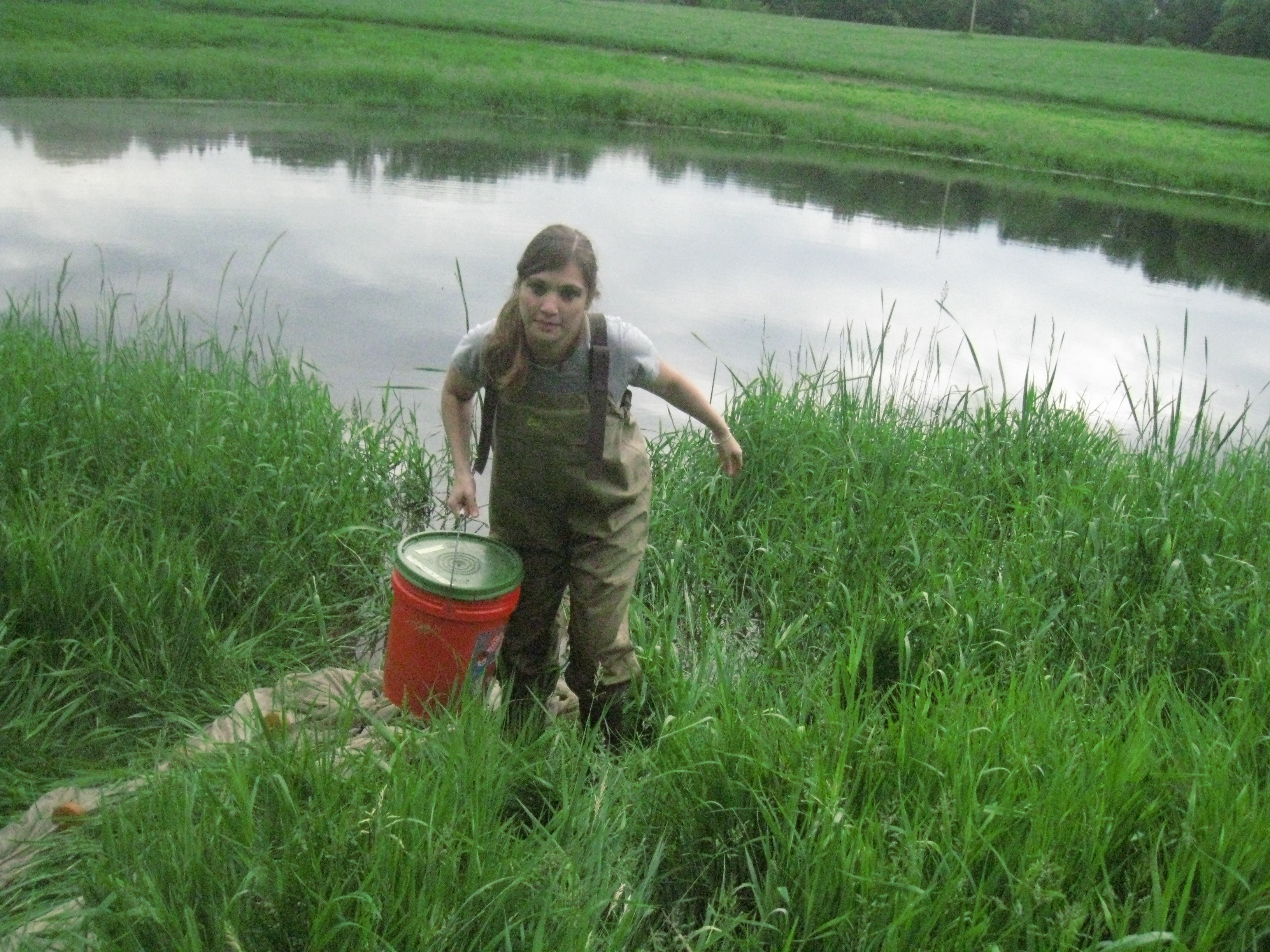
Genevieve studies avoidance of competition in amphipods – tiny crustaceans that live in lakes and ponds.

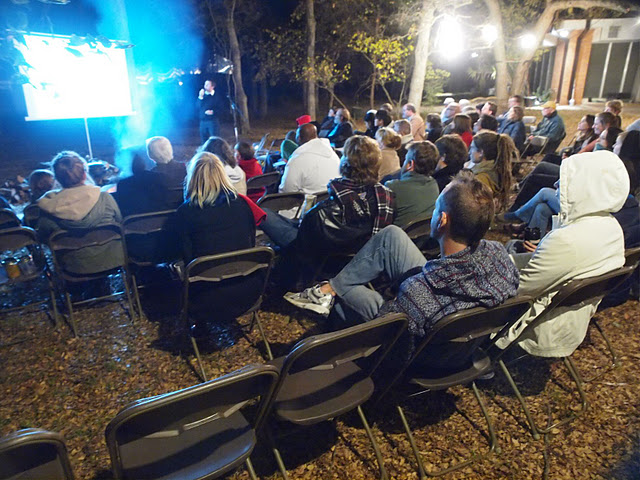

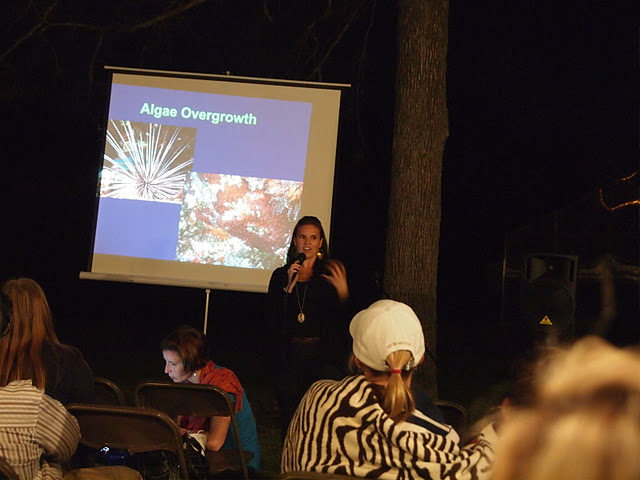

 Science Under The Stars